
This lemon vinaigrette is a zesty and refreshing dressing that can elevate any salad. With its bright citrus flavor and a hint of sweetness, it's perfect for adding a burst of freshness to your greens. The combination of lemon juice, olive oil, and dijon mustard creates a well-balanced dressing that is both tangy and smooth.
If you don't usually keep dijon mustard or honey in your pantry, you might need to pick these up at the supermarket. Dijon mustard adds a subtle tang and helps emulsify the dressing, while honey provides a touch of sweetness to balance the acidity of the lemon juice. Fresh garlic is also essential for adding depth of flavor.
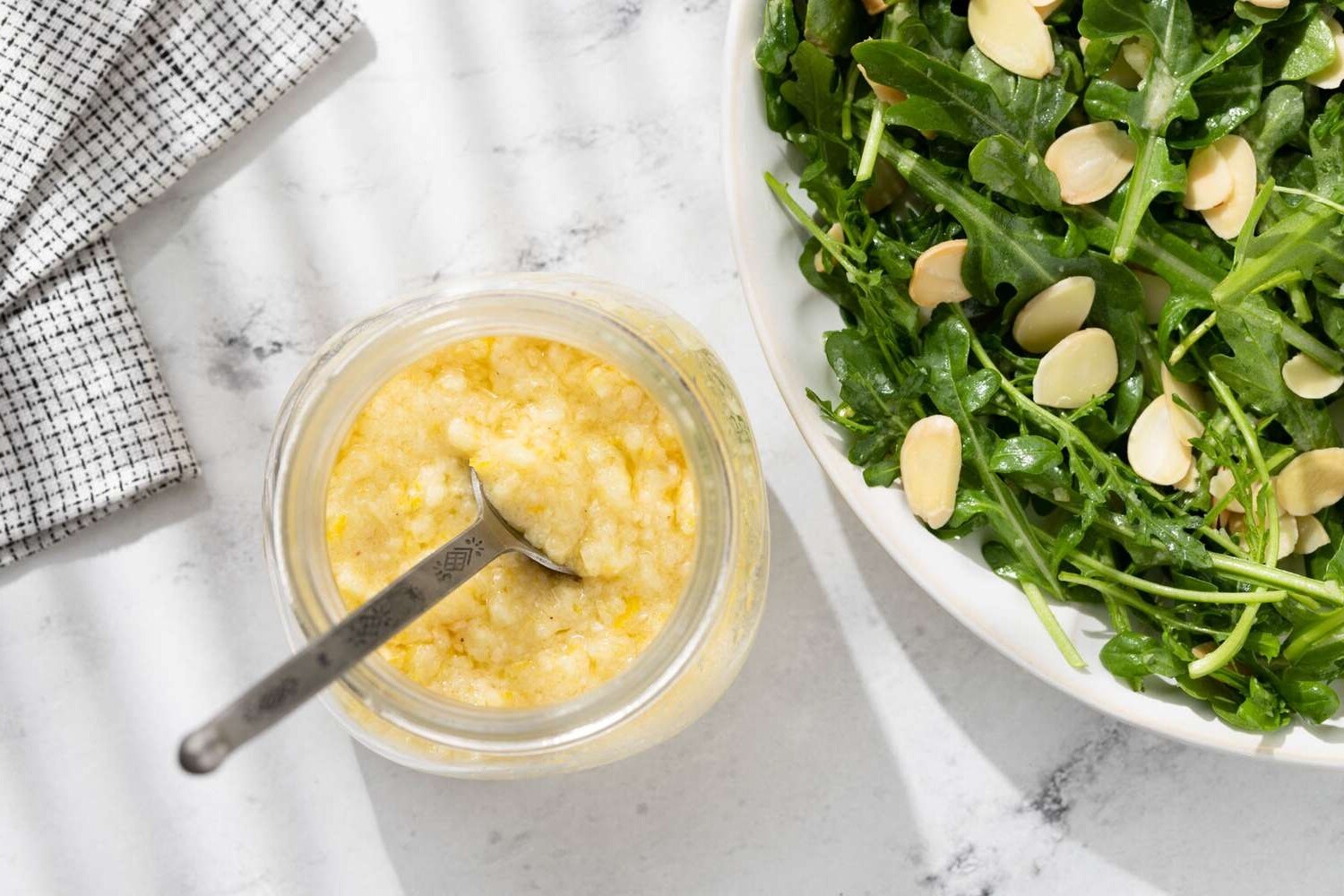
Ingredients For Lemon Vinaigrette Recipe
Lemon juice: Freshly squeezed from lemons, it provides the primary tangy flavor.
Olive oil: A high-quality extra virgin olive oil is best for a rich and smooth texture.
Dijon mustard: Adds a subtle tang and helps to emulsify the dressing.
Honey: Balances the acidity with a touch of sweetness.
Garlic: Freshly minced, it adds depth and a slight pungency.
Salt: Enhances the overall flavor of the vinaigrette.
Pepper: Adds a hint of spice and balances the flavors.
Technique Tip for Making This Vinaigrette
When making a vinaigrette, it's crucial to achieve a proper emulsion. To do this, ensure you whisk vigorously while slowly drizzling in the olive oil. This helps to evenly disperse the oil throughout the lemon juice mixture, creating a smooth and cohesive dressing. Additionally, using a dijon mustard not only adds flavor but also acts as an emulsifier, helping to bind the ingredients together. For a more intense garlic flavor, let the minced garlic sit in the lemon juice for a few minutes before combining with the other ingredients.
Suggested Side Dishes
Alternative Ingredients
fresh lemon juice - Substitute with lime juice: Lime juice provides a similar acidity and citrus flavor, making it a good alternative.
fresh lemon juice - Substitute with white wine vinegar: White wine vinegar offers a tangy flavor that can mimic the acidity of lemon juice.
olive oil - Substitute with avocado oil: Avocado oil has a mild flavor and similar health benefits, making it a suitable replacement.
olive oil - Substitute with grapeseed oil: Grapeseed oil is neutral in flavor and has a similar consistency to olive oil.
dijon mustard - Substitute with whole grain mustard: Whole grain mustard provides a similar tangy flavor and texture.
dijon mustard - Substitute with yellow mustard: Yellow mustard can be used in a pinch, though it is slightly milder and less complex.
honey - Substitute with maple syrup: Maple syrup offers a similar sweetness and can add a unique flavor.
honey - Substitute with agave nectar: Agave nectar is a good alternative for a similar level of sweetness.
garlic - Substitute with shallots: Shallots provide a milder, slightly sweet flavor that can complement the vinaigrette.
garlic - Substitute with garlic powder: Garlic powder can be used if fresh garlic is unavailable, though it is less pungent.
salt - Substitute with soy sauce: Soy sauce can add a salty and umami flavor, though it will change the color slightly.
pepper - Substitute with white pepper: White pepper offers a similar heat without altering the color of the vinaigrette.
Alternative Recipes Similar to This Vinaigrette
How to Store or Freeze This Vinaigrette
- To store your lemon vinaigrette, transfer it to an airtight container, such as a glass jar with a tight-fitting lid. This will help maintain its freshness and prevent any unwanted odors from seeping in.
- Place the container in the refrigerator. The vinaigrette can be stored for up to a week, making it a convenient option for meal prep or quick salads throughout the week.
- Before using the vinaigrette, give it a good shake or stir. The olive oil and lemon juice may separate over time, but a quick mix will bring it back to its perfect consistency.
- If you notice that the vinaigrette has solidified slightly due to the cold temperature, let it sit at room temperature for a few minutes. This will allow the olive oil to return to its liquid state, making it easier to pour and use.
- For those who love to plan ahead, consider freezing the vinaigrette in small portions. Use ice cube trays to freeze individual servings, then transfer the frozen cubes to a freezer-safe bag or container. This way, you can thaw just the right amount when needed.
- When ready to use the frozen vinaigrette, simply remove the desired number of cubes and let them thaw in the refrigerator or at room temperature. Give it a good shake or stir once thawed to ensure it’s well-mixed.
- Remember, while freezing is an option, the texture and flavor of the vinaigrette may change slightly. Freshly made vinaigrette will always offer the best taste and consistency for your salads and vegetables.
How to Reheat Leftovers
Room Temperature Method: Take the lemon vinaigrette out of the refrigerator and let it sit at room temperature for about 15-20 minutes. This allows the olive oil to return to its liquid state and the flavors to meld together. Give it a good shake or whisk before using.
Warm Water Bath: Fill a bowl with warm water (not hot) and place the container of lemon vinaigrette in the water. Let it sit for 5-10 minutes, then shake or whisk to re-emulsify. This method gently warms the dressing without cooking it, preserving the fresh lemon juice flavor.
Microwave Method: If you're in a hurry, you can microwave the lemon vinaigrette for a few seconds. Transfer the dressing to a microwave-safe container and heat on low power for 10-15 seconds. Stir well to re-emulsify. Be cautious not to overheat, as this can alter the taste and texture.
Stovetop Method: Pour the lemon vinaigrette into a small saucepan and warm it over low heat for a minute or two, stirring constantly. This method is quick and ensures even heating, but be careful not to let it get too hot, as it can affect the fresh flavors of the lemon juice and olive oil.
Shake and Serve: Sometimes, all you need is a vigorous shake. If the lemon vinaigrette has separated, simply shake the container vigorously until the ingredients are well combined. This method works best if the dressing is not too cold.
Best Tools for Making This Vinaigrette
Mixing bowl: A large bowl to combine and whisk the ingredients together.
Whisk: Essential for blending the lemon juice, dijon mustard, honey, and minced garlic smoothly.
Measuring cups: To accurately measure the lemon juice and olive oil.
Measuring spoons: For precise measurement of dijon mustard, honey, salt, and pepper.
Garlic press: Useful for mincing the garlic clove efficiently.
Cutting board: A surface to safely mince the garlic clove.
Chef's knife: To mince the garlic clove finely.
Storage container: To store the vinaigrette in the refrigerator if not used immediately.
How to Save Time on Making This Vinaigrette
Prepare ingredients in advance: Mince the garlic and measure out the lemon juice, olive oil, dijon mustard, and honey ahead of time.
Use a blender: Combine all ingredients in a blender and blend until smooth to save time on whisking.
Make a large batch: Double or triple the recipe and store the extra vinaigrette in the refrigerator for up to a week.
Pre-minced garlic: Use pre-minced garlic from a jar to save time on chopping.
Lemon Vinaigrette Recipe
Ingredients
Main Ingredients
- ¼ cup fresh lemon juice
- ½ cup olive oil
- 1 teaspoon Dijon mustard
- 1 teaspoon honey
- 1 clove garlic, minced
- to taste salt and pepper
Instructions
- In a bowl, whisk together lemon juice, Dijon mustard, honey, and minced garlic.
- Slowly drizzle in the olive oil while whisking continuously to emulsify the dressing.
- Season with salt and pepper to taste.
- Use immediately or store in the refrigerator for up to a week.
Nutritional Value
Keywords
More Amazing Recipes to Try 🙂
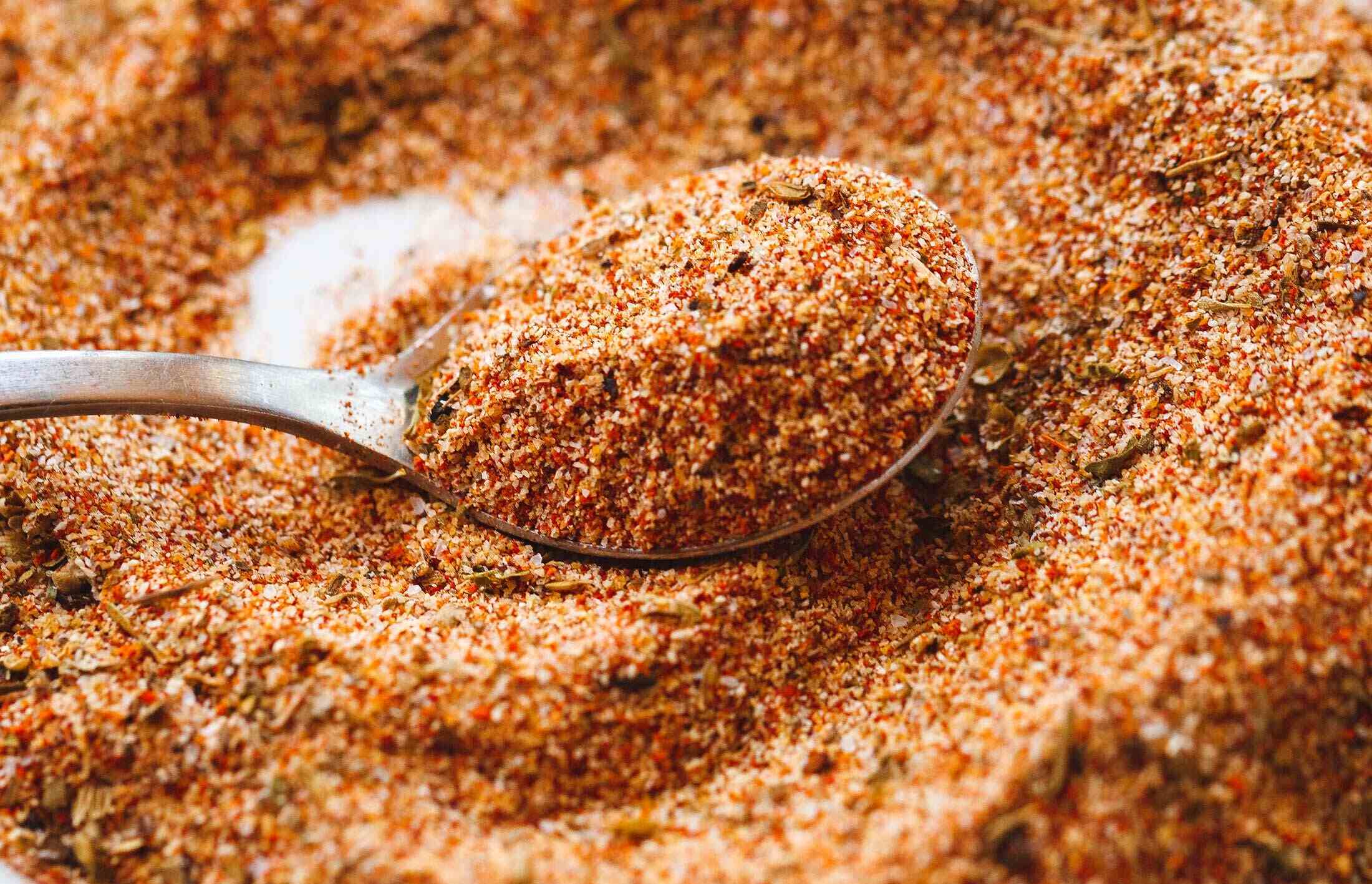
- Blackened Seasoning Mix Recipe5 Minutes
- Spicy Slow Cooked Chili Recipe4 Hours 20 Minutes
- Philly Steak Sandwich Recipe35 Minutes
- Traditional Mexican Molletes Recipe20 Minutes
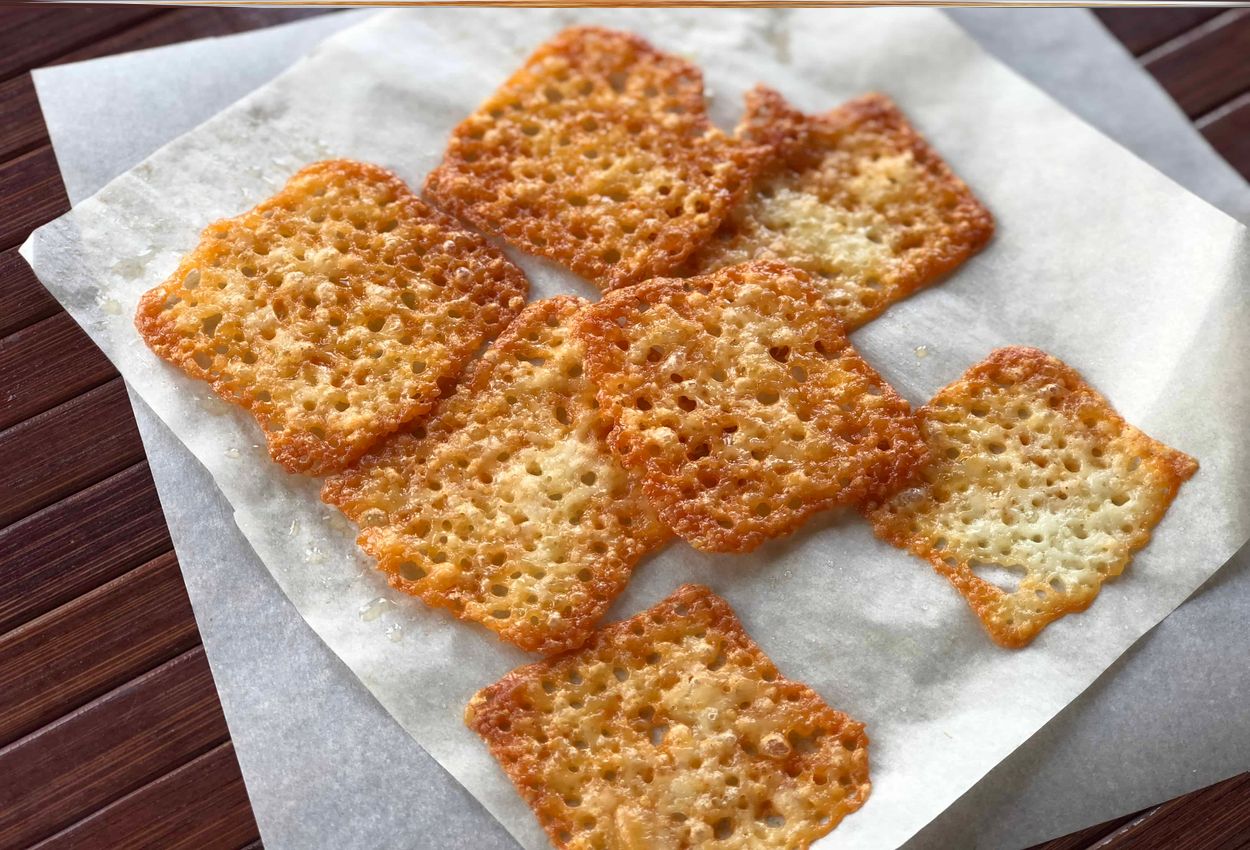
- Keto Cheese Crisps Recipe15 Minutes
- Chicken and Noodles Recipe45 Minutes
- BLT Pizza Recipe35 Minutes
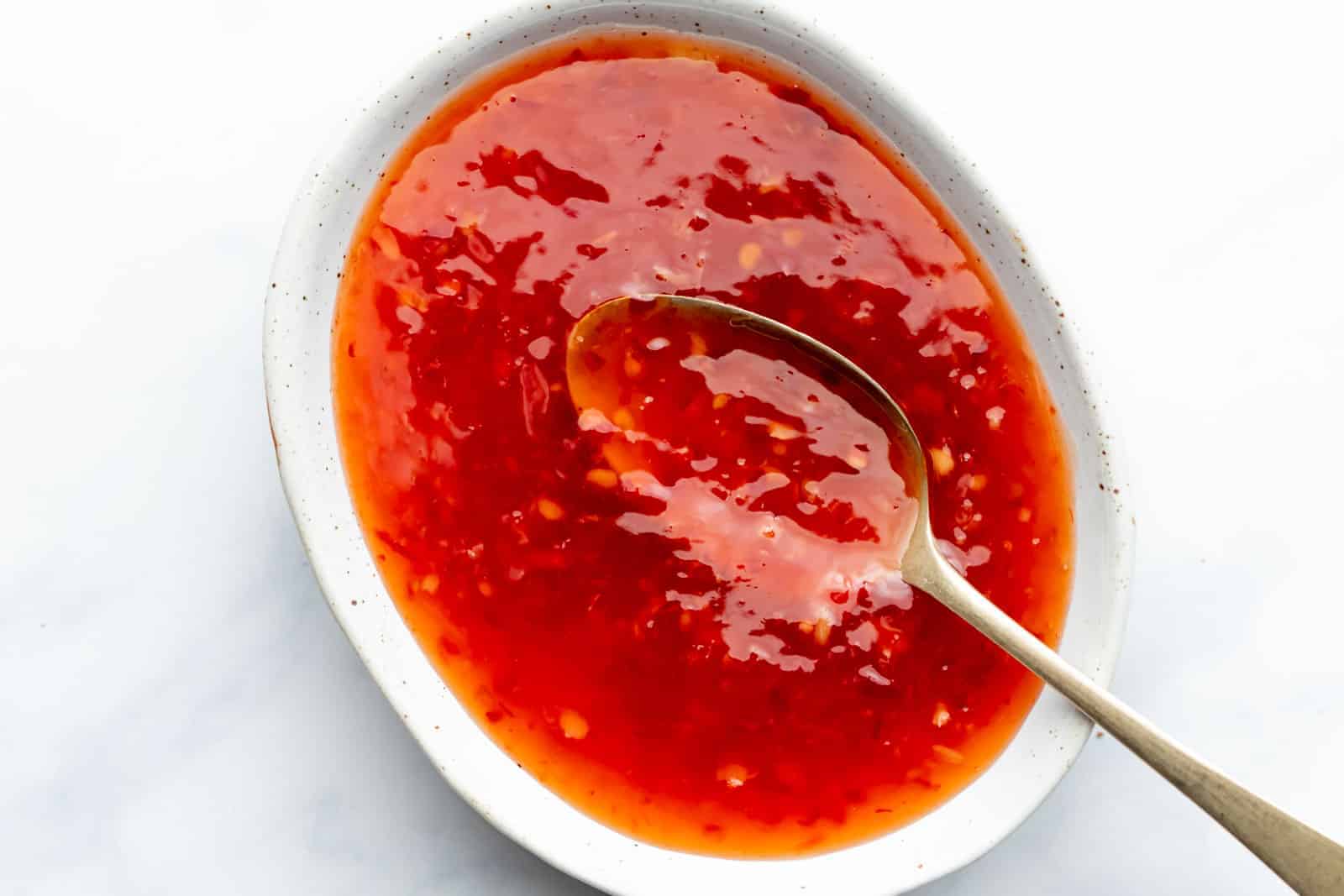
- Sweet Chili Thai Sauce Recipe20 Minutes





Leave a Reply