Puerto Rican sancocho is a hearty and flavorful stew that brings together a variety of meats and root vegetables. This traditional dish is perfect for a comforting meal that showcases the rich culinary heritage of Puerto Rico. The combination of beef, pork, and chicken with an assortment of starchy vegetables makes it a filling and satisfying dish.
Some ingredients in this recipe might not be commonly found in every household. Yuca and Yautía are starchy root vegetables that add a unique texture and flavor to the stew. Green plantain is another key ingredient that may require a trip to a specialty or Latin American grocery store. Make sure to check the produce section for these items.
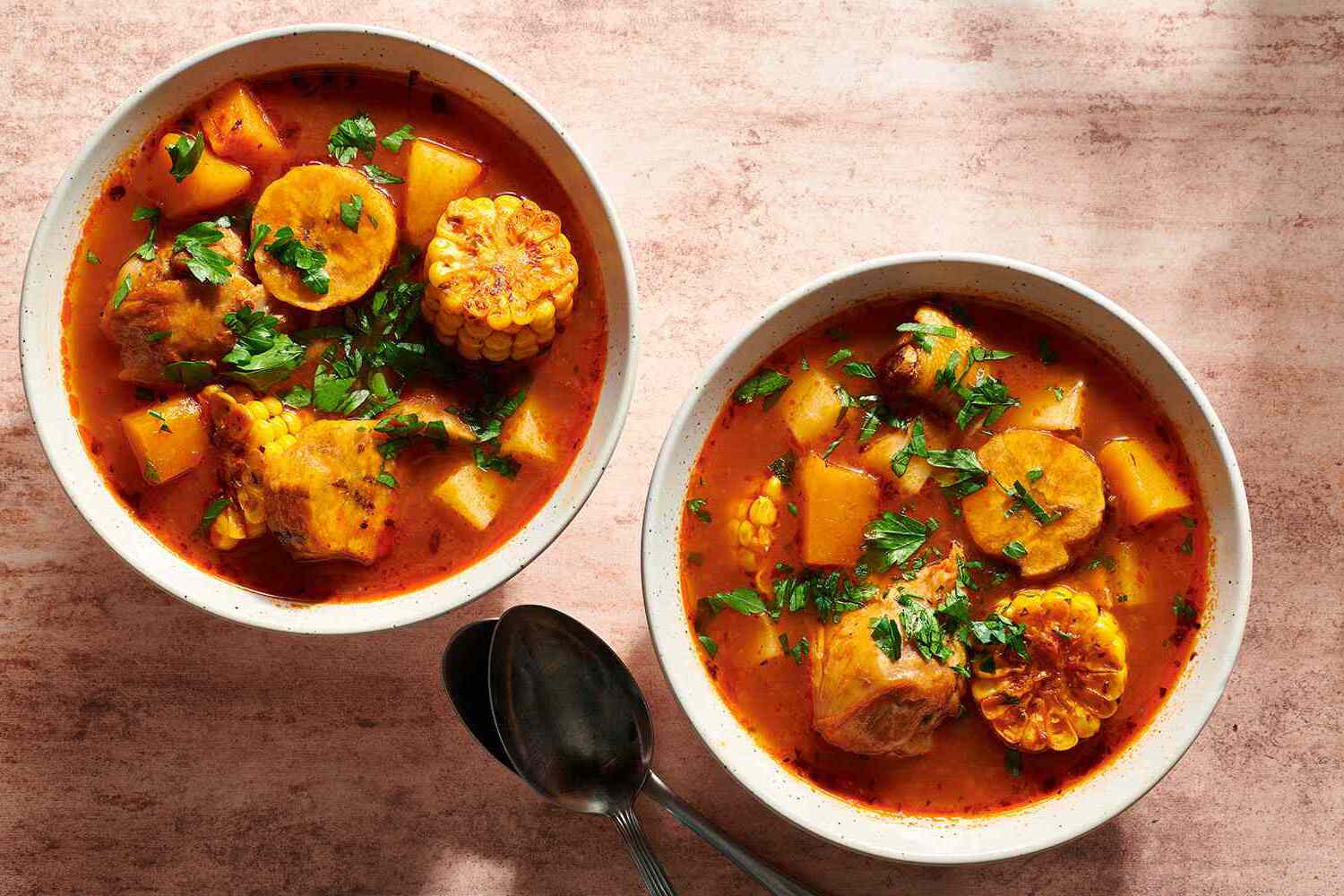
Ingredients For Puerto Rican Sancocho Recipe
Beef stew meat: Adds a rich, hearty flavor and texture to the stew.
Pork ribs: Contributes a savory depth and tenderness to the dish.
Chicken thighs: Provides a different texture and flavor, making the stew more complex.
Yuca: A starchy root vegetable that thickens the stew and adds a unique flavor.
Yautía: Another root vegetable that enhances the texture and richness of the stew.
Potatoes: Commonly used to add bulk and absorb the flavors of the stew.
Corn: Adds a sweet crunch and balances the savory elements.
Pumpkin: Provides a subtle sweetness and creamy texture.
Green plantain: Adds a slightly sweet and starchy element to the stew.
Carrots: Contributes a natural sweetness and color.
Onion: Adds a foundational flavor and aroma.
Garlic: Enhances the overall flavor with its pungent and aromatic qualities.
Cilantro: Adds a fresh, herbaceous note to the finished dish.
Olive oil: Used for browning the meats and adding a subtle richness.
Salt: Essential for seasoning and enhancing the flavors.
Black pepper: Adds a mild heat and depth to the stew.
Water: The base liquid that brings all the ingredients together.
Technique Tip for Making Sancocho
When browning the beef, pork, and chicken, ensure the pot is not overcrowded. Overcrowding can cause the meats to steam rather than brown, which affects the depth of flavor. Brown the meats in batches if necessary to achieve a rich, caramelized exterior. This step is crucial for developing the base flavor of the sancocho.
Suggested Side Dishes
Alternative Ingredients
beef stew meat - Substitute with lamb stew meat: Lamb offers a similar texture and rich flavor that complements the hearty nature of sancocho.
pork ribs - Substitute with pork shoulder: Pork shoulder is equally flavorful and tender when cooked slowly, making it a good alternative.
chicken thighs - Substitute with chicken drumsticks: Drumsticks have a similar cooking time and flavor profile, maintaining the dish's authenticity.
yuca - Substitute with russet potatoes: Russet potatoes provide a similar starchy texture and can absorb flavors well.
yautía - Substitute with taro root: Taro root has a comparable texture and slightly nutty flavor, making it a good replacement.
potatoes - Substitute with sweet potatoes: Sweet potatoes add a different but complementary sweetness and texture to the dish.
corn - Substitute with frozen corn kernels: Frozen corn kernels are convenient and provide the same sweetness and texture.
pumpkin - Substitute with butternut squash: Butternut squash has a similar sweetness and texture, making it an excellent substitute.
green plantain - Substitute with green bananas: Green bananas have a similar starchy texture and mild flavor.
carrots - Substitute with parsnips: Parsnips offer a similar sweetness and texture, adding depth to the dish.
onion - Substitute with leeks: Leeks provide a milder but still flavorful alternative to onions.
garlic - Substitute with shallots: Shallots offer a milder, slightly sweeter flavor that can enhance the dish.
cilantro - Substitute with parsley: Parsley provides a fresh, slightly peppery flavor that can stand in for cilantro.
olive oil - Substitute with canola oil: Canola oil has a neutral flavor and similar cooking properties.
salt - Substitute with soy sauce: Soy sauce adds saltiness along with a depth of umami flavor.
black pepper - Substitute with white pepper: White pepper offers a similar heat and flavor profile.
water - Substitute with chicken broth: Chicken broth adds additional depth and richness to the soup.
Alternative Recipes Similar to Sancocho
How to Store or Freeze Sancocho
- Allow the sancocho to cool completely before storing. This helps maintain the integrity of the vegetables and meats.
- Transfer the sancocho to airtight containers. Use containers that are appropriate for the portion sizes you plan to consume later.
- Label the containers with the date of preparation. This ensures you keep track of freshness and consume the sancocho within a safe timeframe.
- Store the containers in the refrigerator if you plan to consume the sancocho within 3-4 days. This keeps the vegetables and meats fresh and flavorful.
- For longer storage, place the containers in the freezer. Sancocho can be frozen for up to 3 months without significant loss of quality.
- When ready to reheat, thaw the sancocho in the refrigerator overnight if frozen. This gradual thawing helps maintain the texture of the vegetables and meats.
- Reheat the sancocho on the stovetop over medium heat. Stir occasionally to ensure even heating and to prevent sticking.
- Add a splash of water or broth if the sancocho appears too thick after reheating. This helps restore its original consistency.
- Taste and adjust the seasoning if necessary. Sometimes, reheating can mellow the flavors, so a pinch of salt or a dash of pepper might be needed.
- Enjoy your reheated sancocho with a fresh garnish of cilantro for an added burst of flavor.
How to Reheat Leftovers
- For stovetop reheating, place the leftover sancocho in a large pot. Add a splash of water or broth to maintain the soup's consistency. Heat over medium-low, stirring occasionally, until the meats and vegetables are warmed through. This should take about 10-15 minutes.
- If using a microwave, transfer a portion of the sancocho to a microwave-safe bowl. Cover with a microwave-safe lid or plastic wrap with a small vent. Heat on medium power in 1-minute intervals, stirring in between, until the soup is hot. This helps ensure even heating and prevents overcooking.
- For oven reheating, preheat your oven to 350°F (175°C). Place the sancocho in an oven-safe dish, cover with aluminum foil, and bake for about 20-25 minutes, or until heated through. Stir halfway through to ensure even warming.
- If you have a slow cooker, transfer the sancocho to the slow cooker and set it on low. Allow it to heat for about 1-2 hours, stirring occasionally, until the soup is thoroughly warmed.
- For a quick reheat, use a pressure cooker or Instant Pot. Set it to the sauté function, add the sancocho, and stir occasionally until hot. This method is fast and helps retain the soup's rich flavors.
Essential Tools for Making Sancocho
Large pot: A large pot is essential for cooking the meats and vegetables together, allowing them to simmer and develop rich flavors.
Olive oil: Used for browning the meats and sautéing the onions and garlic, adding depth to the dish.
Knife: A knife is necessary for chopping the vegetables and meats into appropriate sizes for even cooking.
Cutting board: A cutting board provides a safe and stable surface for chopping all the ingredients.
Wooden spoon: A wooden spoon is ideal for stirring the ingredients as they cook, ensuring even heat distribution.
Measuring cups: Measuring cups are used to measure out the correct amounts of vegetables and water.
Measuring spoons: Measuring spoons help in accurately measuring the salt, pepper, and olive oil.
Peeler: A peeler is useful for peeling the yuca, yautía, potatoes, pumpkin, plantain, and carrots.
Tongs: Tongs are handy for turning the meats as they brown and for handling hot ingredients safely.
Ladle: A ladle is perfect for serving the sancocho once it’s ready, ensuring you get a good mix of broth, meats, and vegetables in each serving.
How to Save Time on Making Sancocho
Pre-cut vegetables: Chop the yuca, yautía, potatoes, corn, pumpkin, plantain, and carrots in advance and store them in the fridge.
Use a pressure cooker: Reduce cooking time by using a pressure cooker instead of simmering for 1.5 hours.
Batch cook meats: Brown the beef, pork, and chicken in larger batches and freeze portions for future use.
Pre-make sofrito: Prepare a batch of sofrito (onion, garlic, cilantro blend) and freeze in portions to save time on prep.
Puerto Rican Sancocho Recipe
Ingredients
Main Ingredients
- 2 lb Beef stew meat
- 1 lb Pork ribs
- 1 lb Chicken thighs
- 2 cups Yuca, peeled and chopped
- 2 cups Yautía, peeled and chopped
- 2 cups Potatoes, peeled and chopped
- 2 ears Corn, cut into pieces
- 1 cup Pumpkin, peeled and chopped
- 1 cup Green plantain, peeled and chopped
- 1 cup Carrots, peeled and chopped
- 1 large Onion, chopped
- 4 cloves Garlic, minced
- 1 bunch Cilantro, chopped
- 1 tablespoon Olive oil
- 1 teaspoon Salt
- 1 teaspoon Black pepper
- 8 cups Water
Instructions
- 1. Heat olive oil in a large pot over medium heat. Add the beef, pork, and chicken. Cook until browned.
- 2. Add the onion and garlic. Cook until the onion is translucent.
- 3. Add the water, yuca, yautía, potatoes, corn, pumpkin, plantain, and carrots. Bring to a boil.
- 4. Reduce heat to low and simmer for about 1.5 hours, or until the meats and vegetables are tender.
- 5. Season with salt and pepper. Stir in the chopped cilantro before serving.
Nutritional Value
Keywords
Suggested Appetizers and Desserts for Sancocho
More Amazing Recipes to Try 🙂
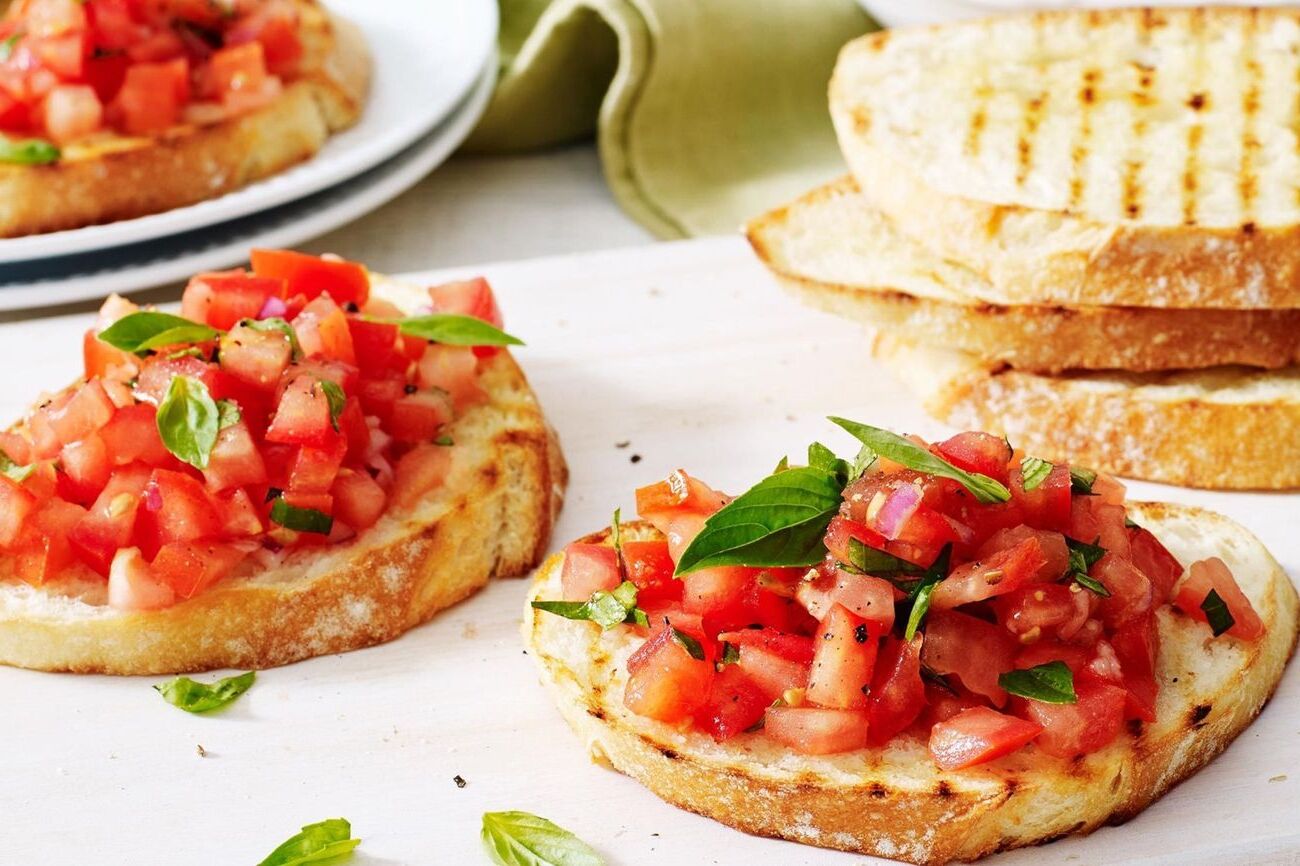
- Balsamic Bruschetta Recipe15 Minutes
- Prickly Pear Cactus Margarita Recipe10 Minutes
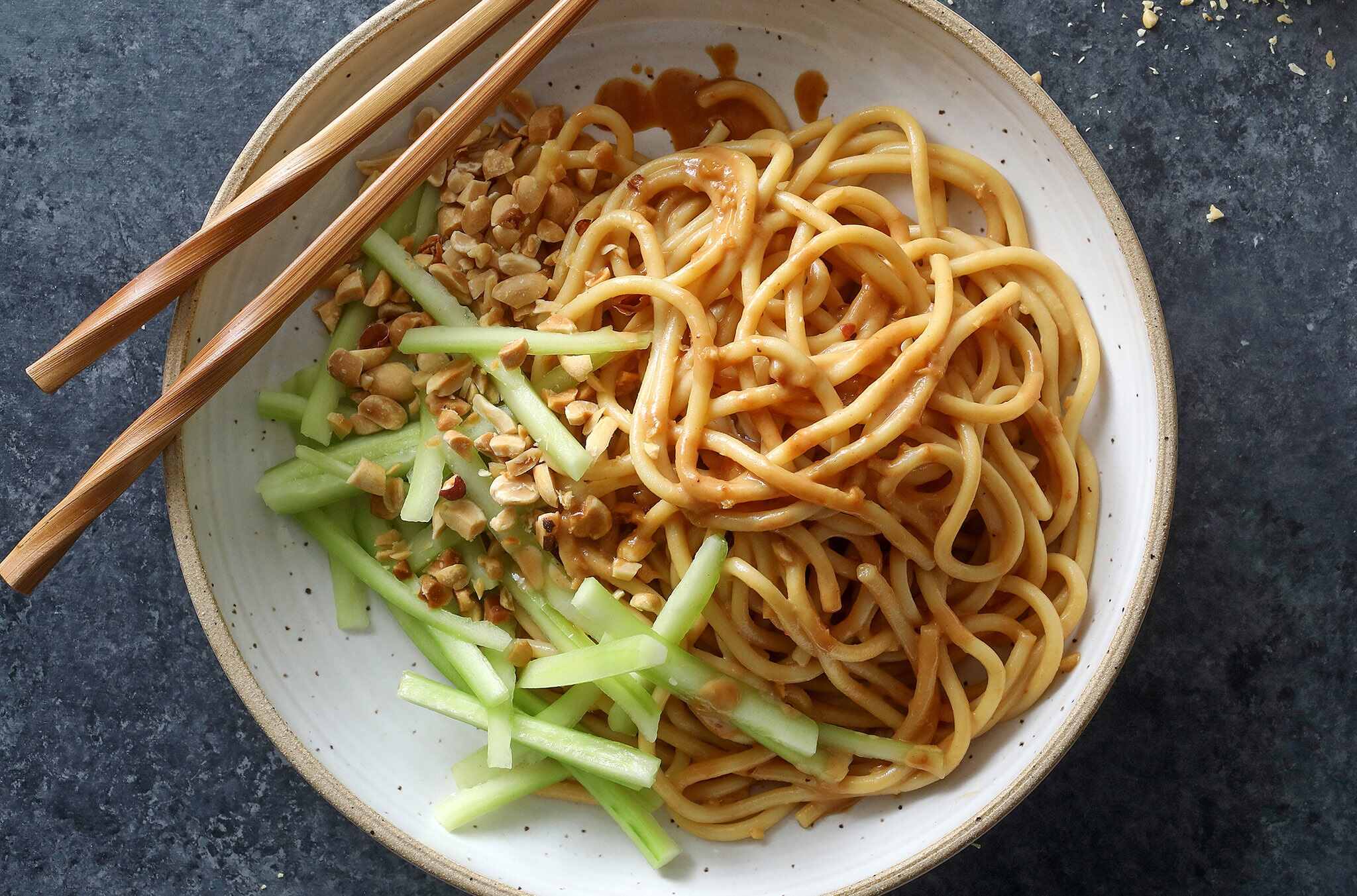
- Sesame Noodles Recipe25 Minutes
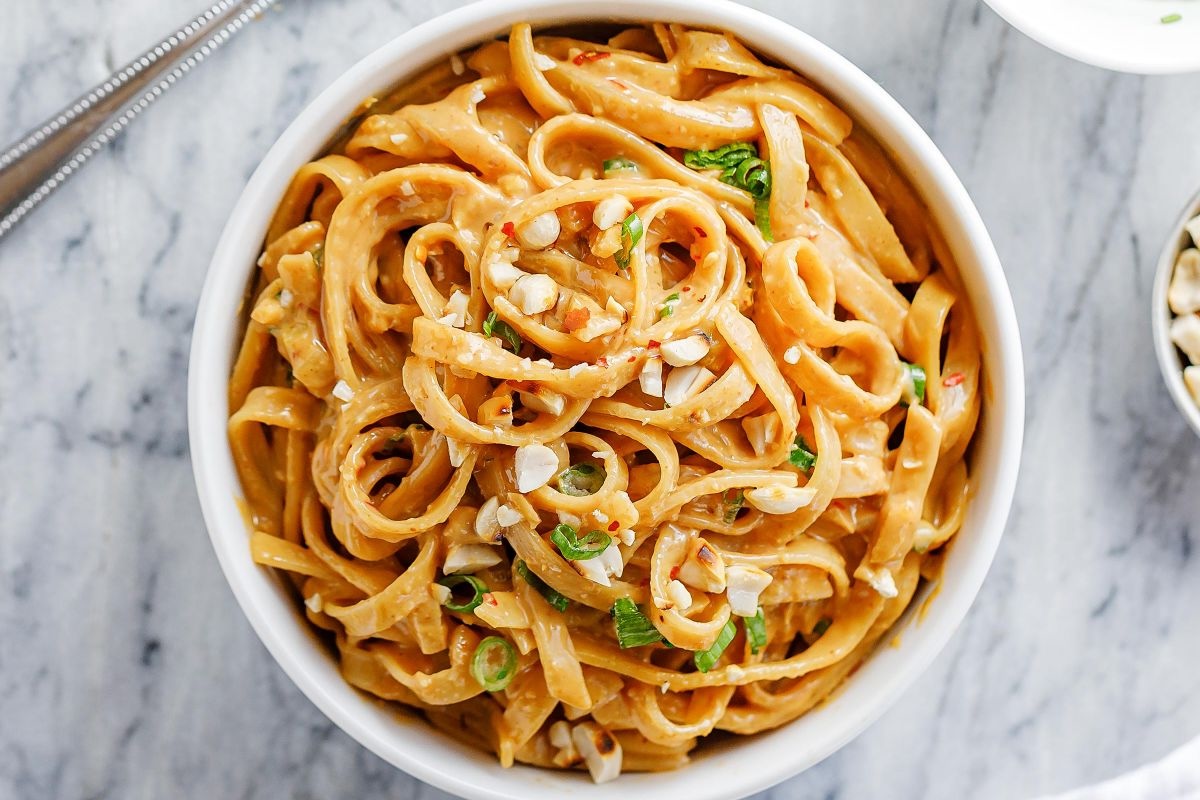
- Peanut Butter Noodles Recipe25 Minutes
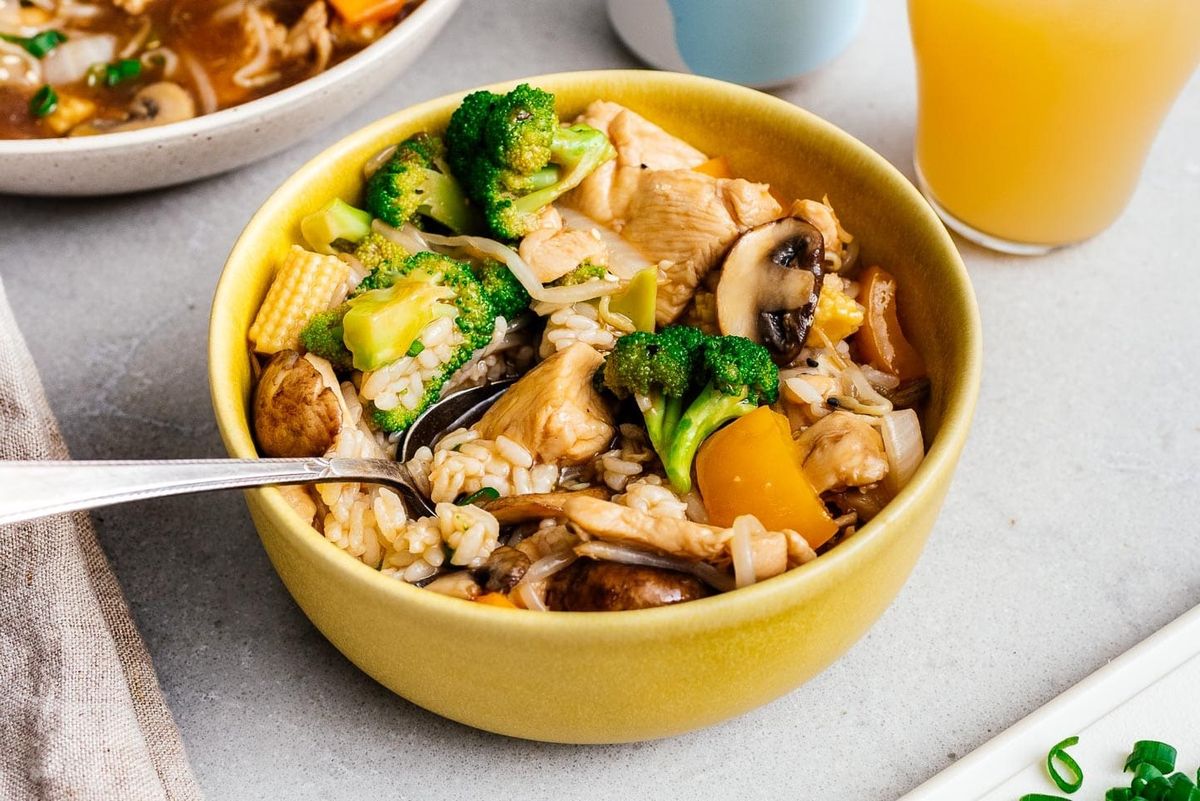
- Chop Suey Recipe35 Minutes
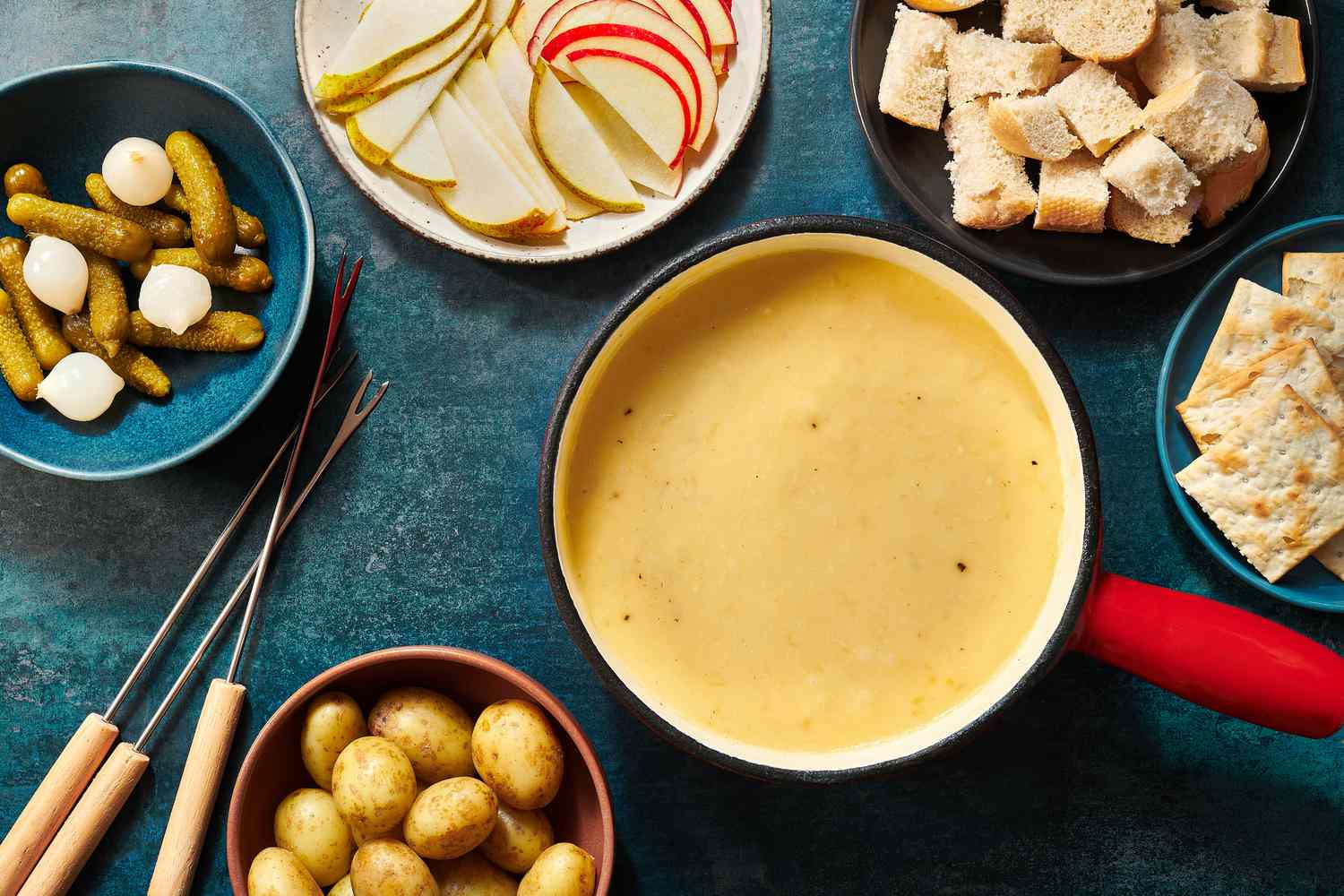
- Cheese Fondue Recipe25 Minutes
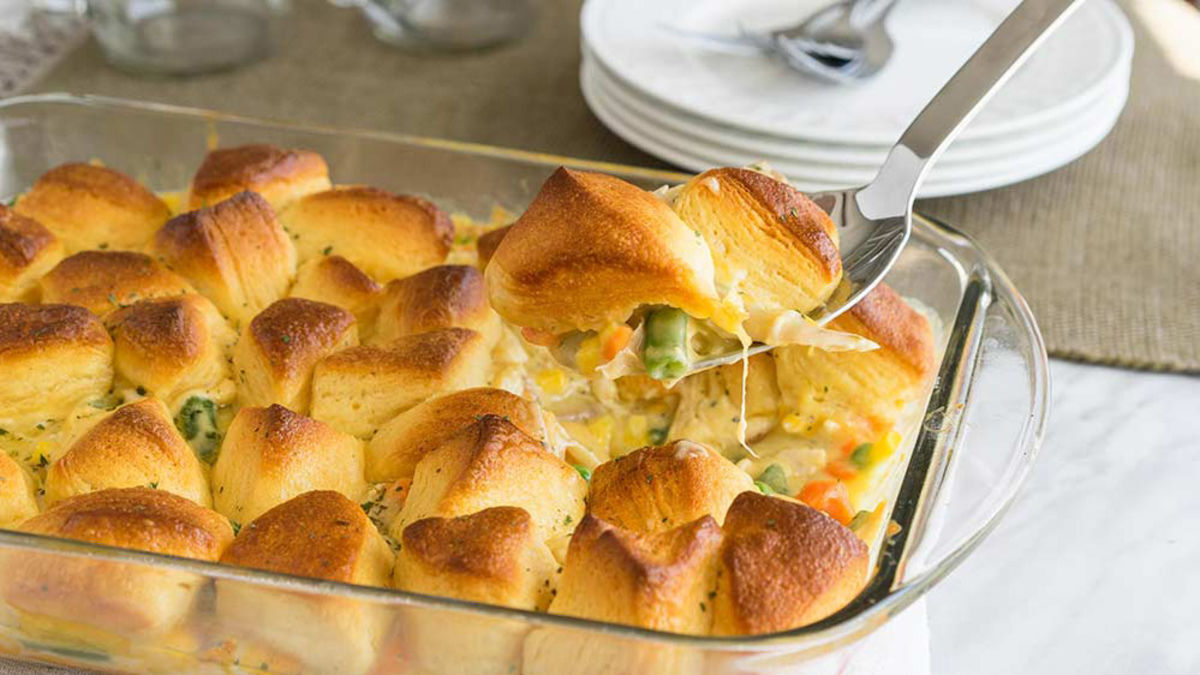
- Chicken Pot Pie with Biscuit Crust Recipe1 Hours
- Ahi Poke Recipe15 Minutes

Leave a Reply