Sinigang na Isda sa Miso is a comforting Filipino soup that combines the tangy flavors of sinigang with the rich umami of miso. This dish is perfect for a rainy day or when you need a warm, hearty meal. The combination of fresh fish, vegetables, and the unique taste of miso creates a delightful and nourishing experience.
Some ingredients in this recipe may not be commonly found in every household. Miso paste is a fermented soybean paste that adds a deep umami flavor to the dish. Sinigang mix is a pre-packaged seasoning mix that provides the signature sour taste of sinigang. Kangkong or water spinach is a leafy green vegetable commonly used in Filipino cuisine. These items can usually be found in the Asian section of your local supermarket or at specialty Asian grocery stores.
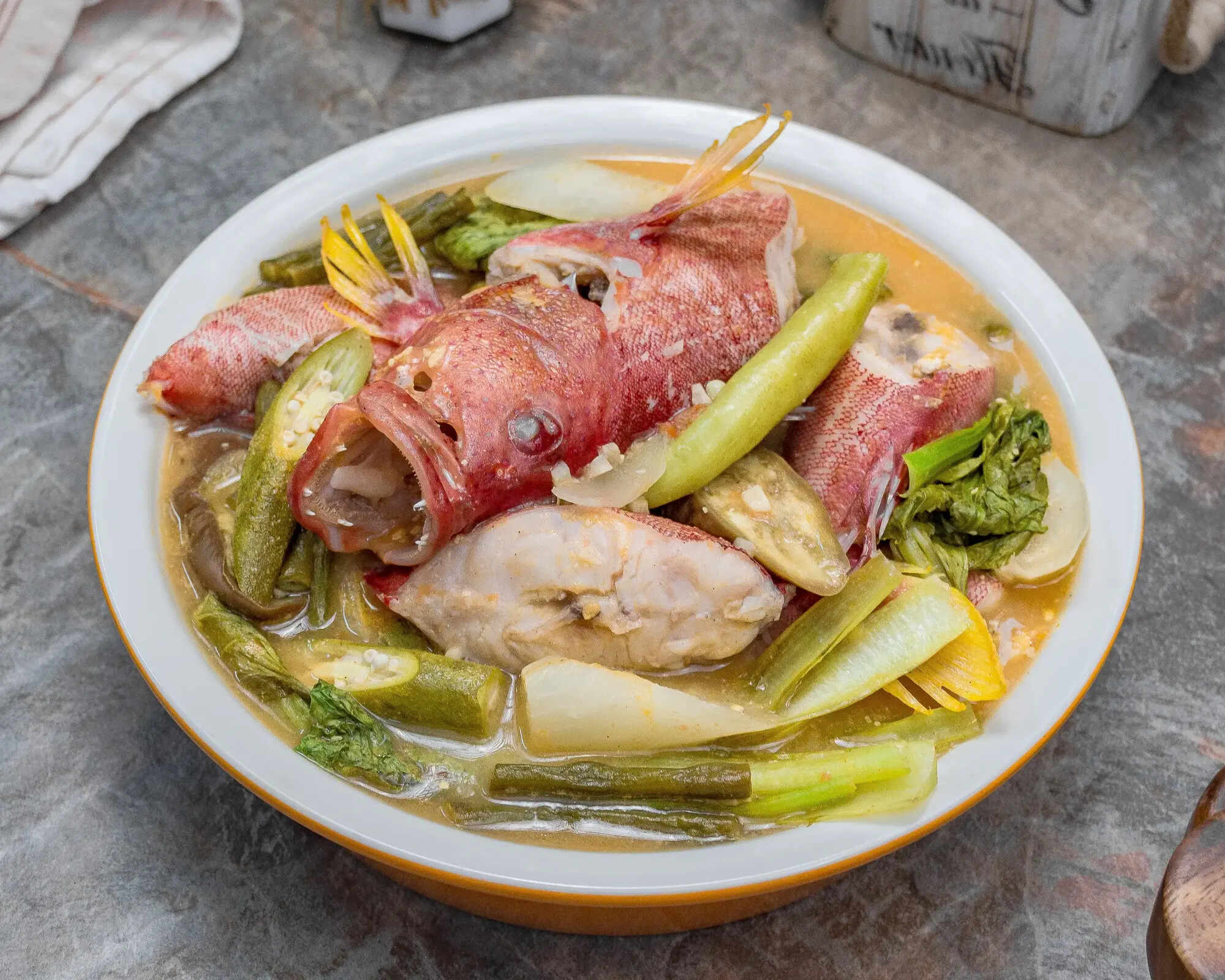
Ingredients for Sinigang na Isda sa Miso
Fish: Cleaned and cut into serving pieces, typically tilapia or bangus.
Miso paste: A fermented soybean paste that adds a rich umami flavor.
Onion: Sliced to add sweetness and depth to the broth.
Tomatoes: Quartered to contribute acidity and freshness.
Radish: Sliced to add a crunchy texture and mild peppery flavor.
Kangkong: Also known as water spinach, adds a leafy green element to the soup.
Sinigang mix: A pre-packaged seasoning mix that provides the signature sour taste.
Water: The base of the soup, used to boil and cook all the ingredients.
Technique Tip for This Recipe
When preparing fish for sinigang, ensure that it is thoroughly cleaned and cut into even serving pieces to ensure uniform cooking. To enhance the flavor, you can marinate the fish in a bit of salt and pepper for about 15 minutes before adding it to the soup. This will help the fish absorb more flavor and stay firm during cooking.
Suggested Side Dishes
Alternative Ingredients
tilapia - Substitute with cod: Cod has a similar mild flavor and firm texture, making it a good alternative for tilapia in sinigang.
miso paste - Substitute with soybean paste: Soybean paste can provide a similar umami flavor, though it may be slightly less complex than miso paste.
onion - Substitute with shallots: Shallots offer a milder and slightly sweeter flavor, which can complement the dish well.
tomatoes - Substitute with canned diced tomatoes: Canned diced tomatoes can be used when fresh tomatoes are not available, providing a similar acidity and texture.
radish - Substitute with turnip: Turnips have a similar crunchy texture and slightly peppery flavor, making them a good stand-in for radish.
kangkong - Substitute with spinach: Spinach has a similar texture and mild flavor, making it a suitable replacement for kangkong.
sinigang mix - Substitute with tamarind paste: Tamarind paste can provide the sourness needed for sinigang, though you may need to adjust the quantity to taste.
water - Substitute with vegetable broth: Vegetable broth can add more depth of flavor compared to plain water.
Other Alternative Recipes Similar to This Dish
How to Store or Freeze This Dish
- Allow the sinigang na isda sa miso to cool down to room temperature. This prevents condensation and maintains the integrity of the fish and vegetables.
- Transfer the soup into airtight containers. Use containers that are appropriately sized to avoid excess air, which can lead to freezer burn.
- Label each container with the date of preparation. This helps you keep track of freshness and ensures you consume the sinigang within a safe period.
- Store the containers in the refrigerator if you plan to consume the sinigang within 3-4 days. Ensure the temperature is consistently below 40°F (4°C).
- For longer storage, place the containers in the freezer. The sinigang can be frozen for up to 2 months. Ensure your freezer is set to 0°F (-18°C) or lower.
- When ready to reheat, thaw the sinigang in the refrigerator overnight. This gradual thawing helps maintain the texture of the fish and vegetables.
- Reheat the soup on the stove over medium heat. Stir occasionally to ensure even heating and to prevent the miso paste from settling at the bottom.
- Taste and adjust seasoning if necessary. Sometimes, freezing can slightly alter the flavors, so a pinch of salt or a splash of fish sauce might be needed.
- Serve the reheated sinigang hot, ideally with freshly cooked rice. Enjoy the comforting and tangy flavors as if it were freshly made.
How to Reheat Leftovers
Gently reheat the sinigang na isda sa miso on the stovetop over medium heat. Place the soup in a pot and bring it to a gentle simmer. Stir occasionally to ensure even heating and to prevent the fish from breaking apart. This method helps maintain the integrity of the vegetables and the delicate flavor of the miso broth.
If you're in a hurry, use the microwave. Place the sinigang in a microwave-safe bowl, cover it with a microwave-safe lid or plastic wrap (leaving a small vent for steam to escape), and heat on medium power in 1-minute intervals. Stir between intervals to ensure even heating. Be cautious not to overheat, as the fish can become tough and the vegetables can become mushy.
For a more controlled reheating, use a double boiler. Fill the bottom pot with water and bring it to a simmer. Place the sinigang in the top pot and cover. Stir occasionally until heated through. This gentle method helps preserve the texture of the fish and vegetables.
If you prefer, you can reheat the sinigang in the oven. Preheat your oven to 300°F (150°C). Place the sinigang in an oven-safe dish, cover with foil, and heat for about 20-30 minutes, or until warmed through. This method is ideal for reheating larger quantities without overcooking.
For a quick and easy method, use a steamer. Place the sinigang in a heatproof bowl and set it in the steamer basket. Steam for about 10-15 minutes, or until heated through. This method helps retain the moisture and flavor of the miso broth and fish.
Best Tools for This Recipe
Pot: A large vessel used for boiling water and cooking the ingredients together.
Ladle: A long-handled spoon used for stirring the soup and serving it.
Knife: A sharp tool for slicing the onion, tomatoes, and radish.
Cutting board: A flat surface used to safely chop and prepare the vegetables.
Measuring cups: Tools used to measure the water and miso paste accurately.
Mixing spoon: A utensil used to stir the miso paste into the soup until it dissolves.
Serving bowl: A bowl used to serve the hot sinigang.
Rice cooker: An appliance used to cook rice to accompany the sinigang.
How to Save Time on Making This Dish
Prepare ingredients in advance: Chop onions, tomatoes, and radish ahead of time to streamline cooking.
Use pre-cleaned fish: Purchase cleaned and cut fish to save prep time.
Dissolve miso paste separately: Mix miso paste with a bit of warm water before adding to the pot for quicker integration.
Pre-wash kangkong: Wash and trim kangkong in advance to add directly when needed.
Use an electric kettle: Boil water in an electric kettle to speed up the initial boiling process.
Sinigang na Isda sa Miso Recipe
Ingredients
Main Ingredients
- 1 kg Fish (tilapia or bangus) cleaned and cut into serving pieces
- 2 tablespoon Miso paste
- 1 piece Onion sliced
- 2 pieces Tomatoes quartered
- 1 piece Radish sliced
- 1 bunch Kangkong (water spinach)
- 1 pack Sinigang mix
- 6 cups Water
Instructions
- 1. In a pot, bring water to a boil.
- 2. Add onions and tomatoes, cook until softened.
- 3. Add miso paste and stir until dissolved.
- 4. Add the fish and radish, cook until the fish is done.
- 5. Add the sinigang mix and adjust seasoning to taste.
- 6. Add kangkong and cook for another 2 minutes.
- 7. Serve hot with rice.
Nutritional Value
Keywords
Suggested Appetizers and Desserts for This Recipe
More Amazing Recipes to Try 🙂
- Balsamic Bruschetta Recipe15 Minutes
- Prickly Pear Cactus Margarita Recipe10 Minutes
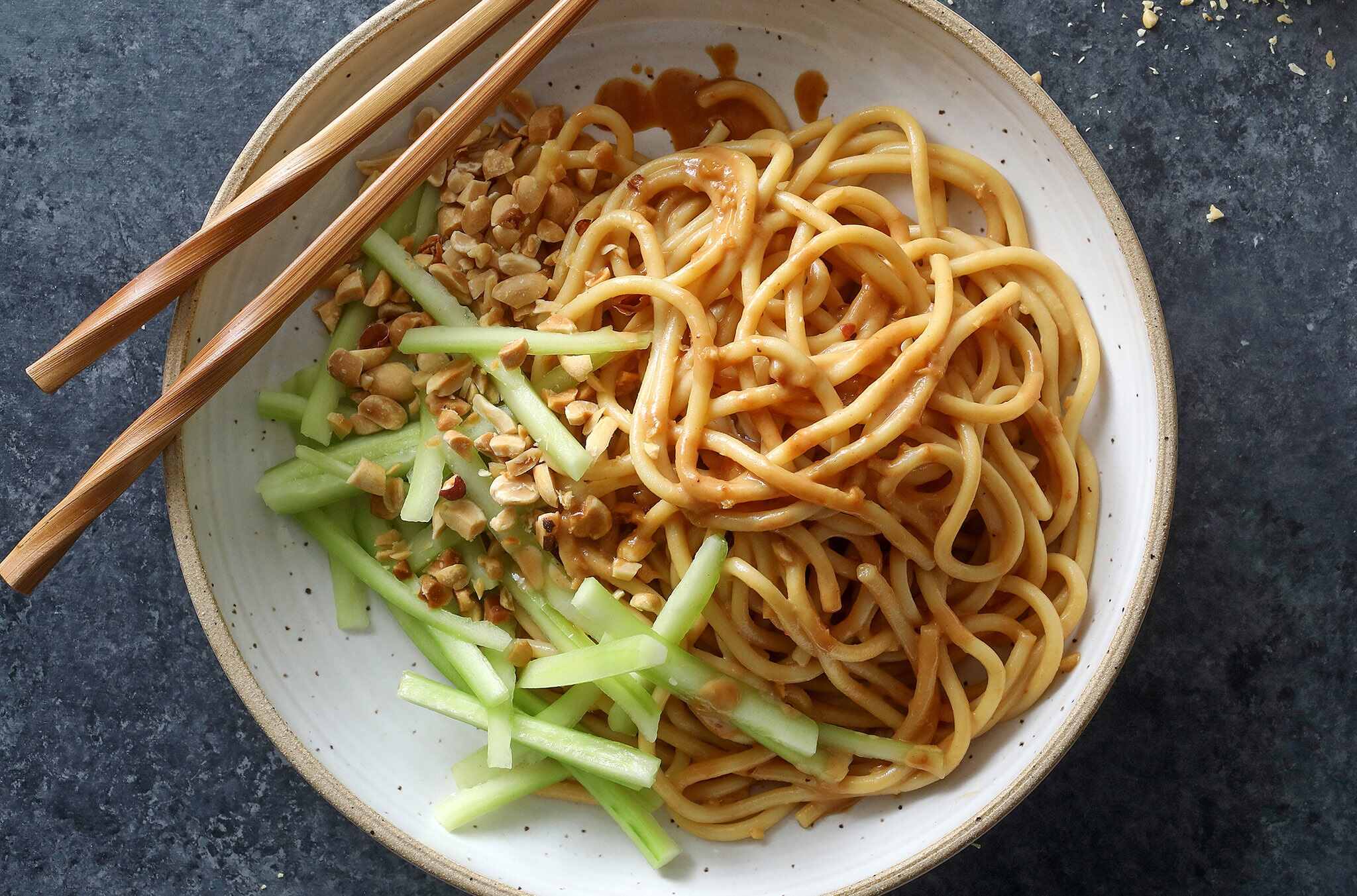
- Sesame Noodles Recipe25 Minutes
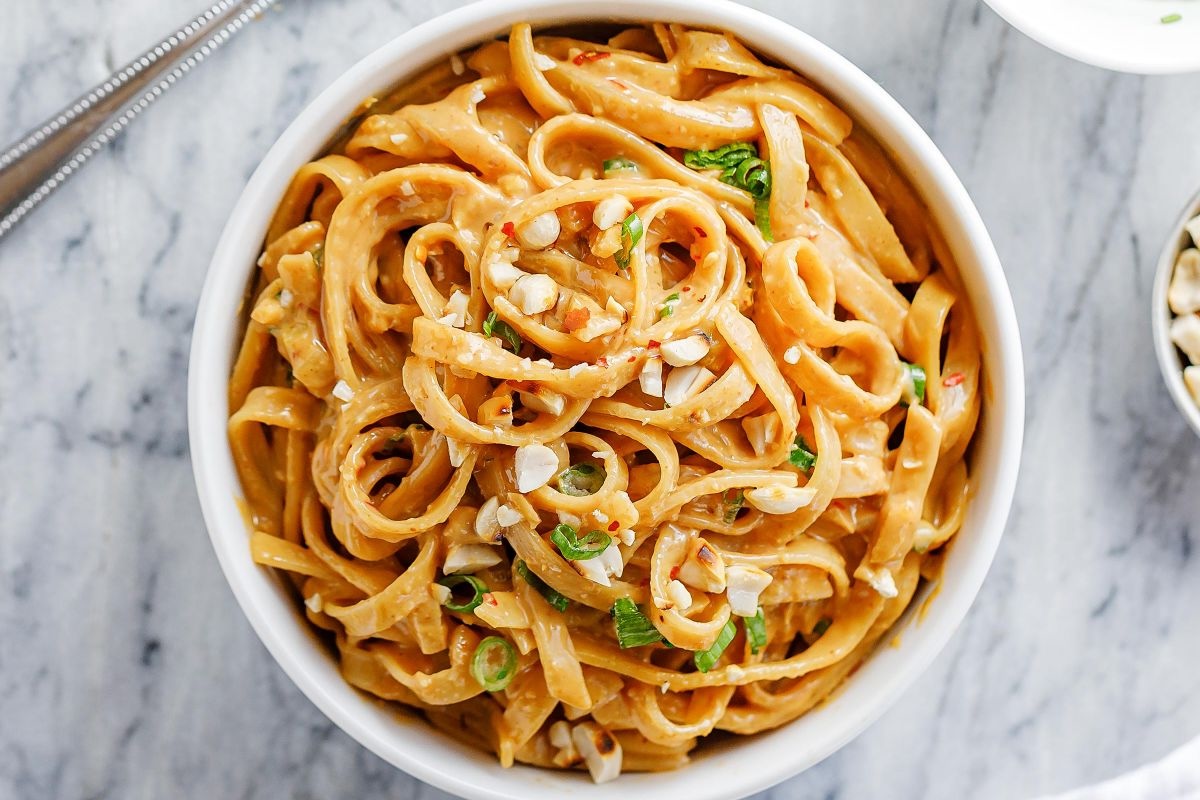
- Peanut Butter Noodles Recipe25 Minutes
- Chop Suey Recipe35 Minutes
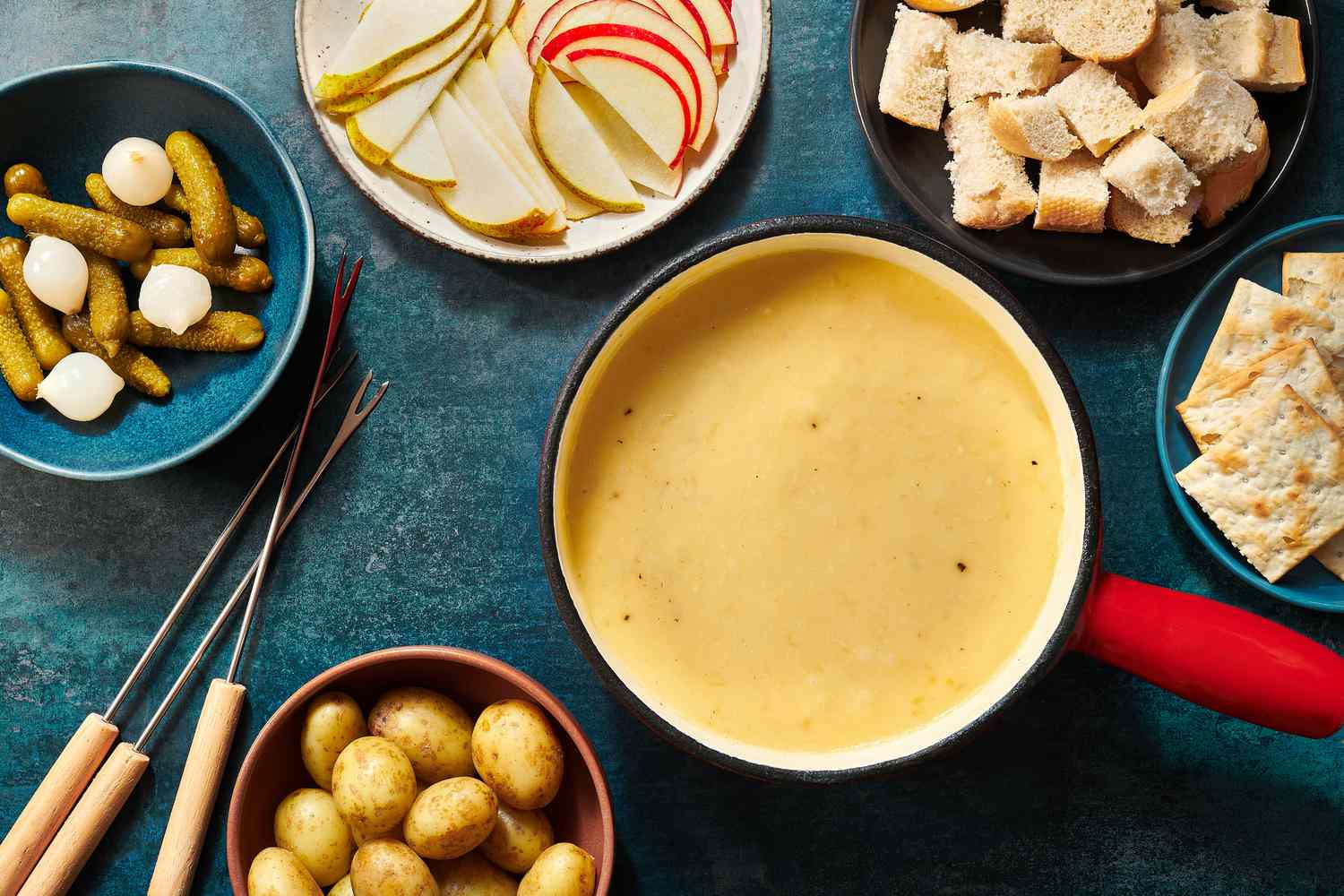
- Cheese Fondue Recipe25 Minutes
- Chicken Pot Pie with Biscuit Crust Recipe1 Hours
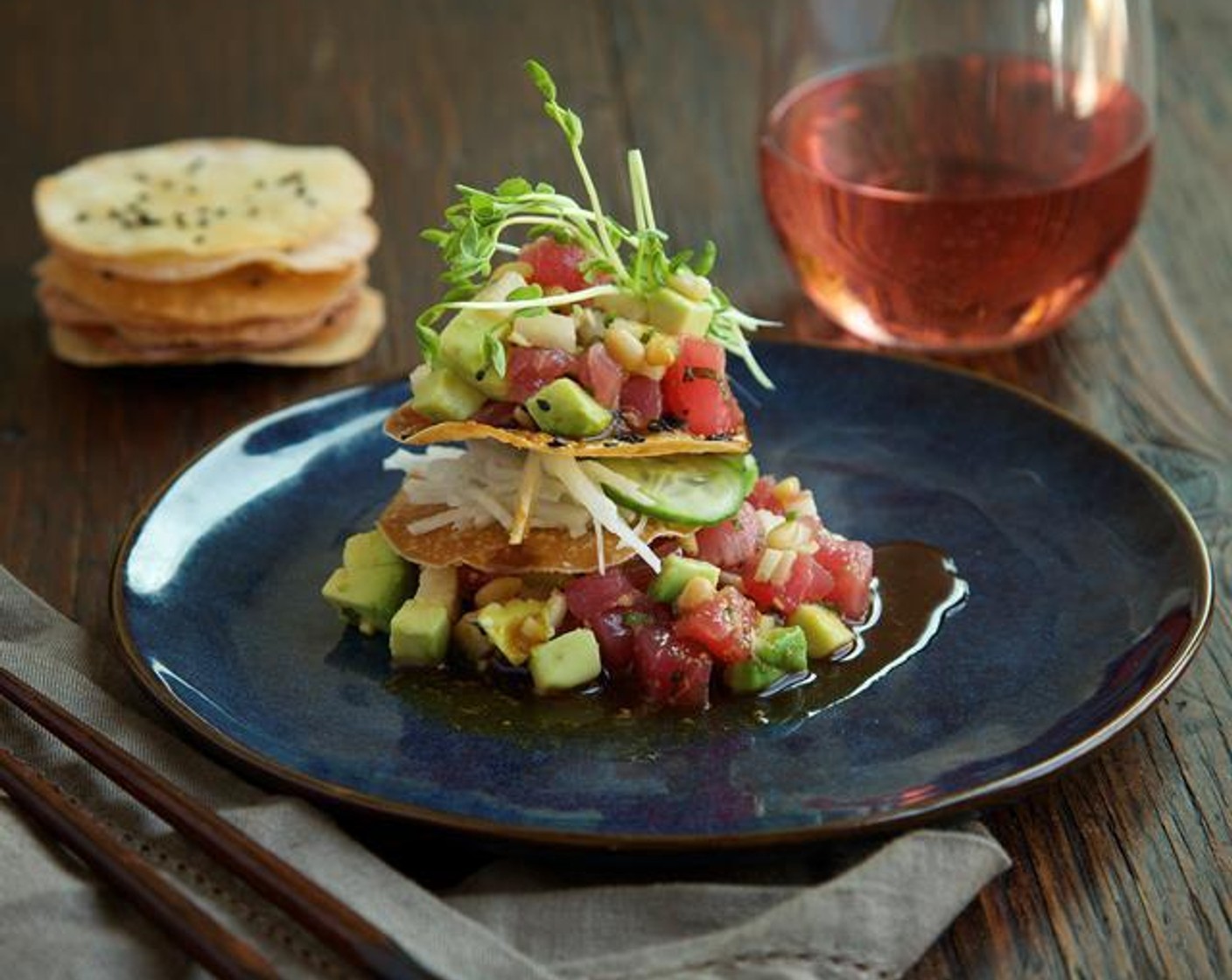
- Ahi Poke Recipe15 Minutes





Leave a Reply