
Creating perfect sushi rice is an essential skill for any sushi enthusiast. The right balance of vinegar, sugar, and salt transforms simple short-grain rice into a flavorful base for your favorite sushi rolls.
While most of the ingredients for this recipe are common, you might need to pay special attention to short-grain sushi rice and rice vinegar. These are essential for achieving the right texture and flavor. Look for them in the international aisle or a specialty Asian market.
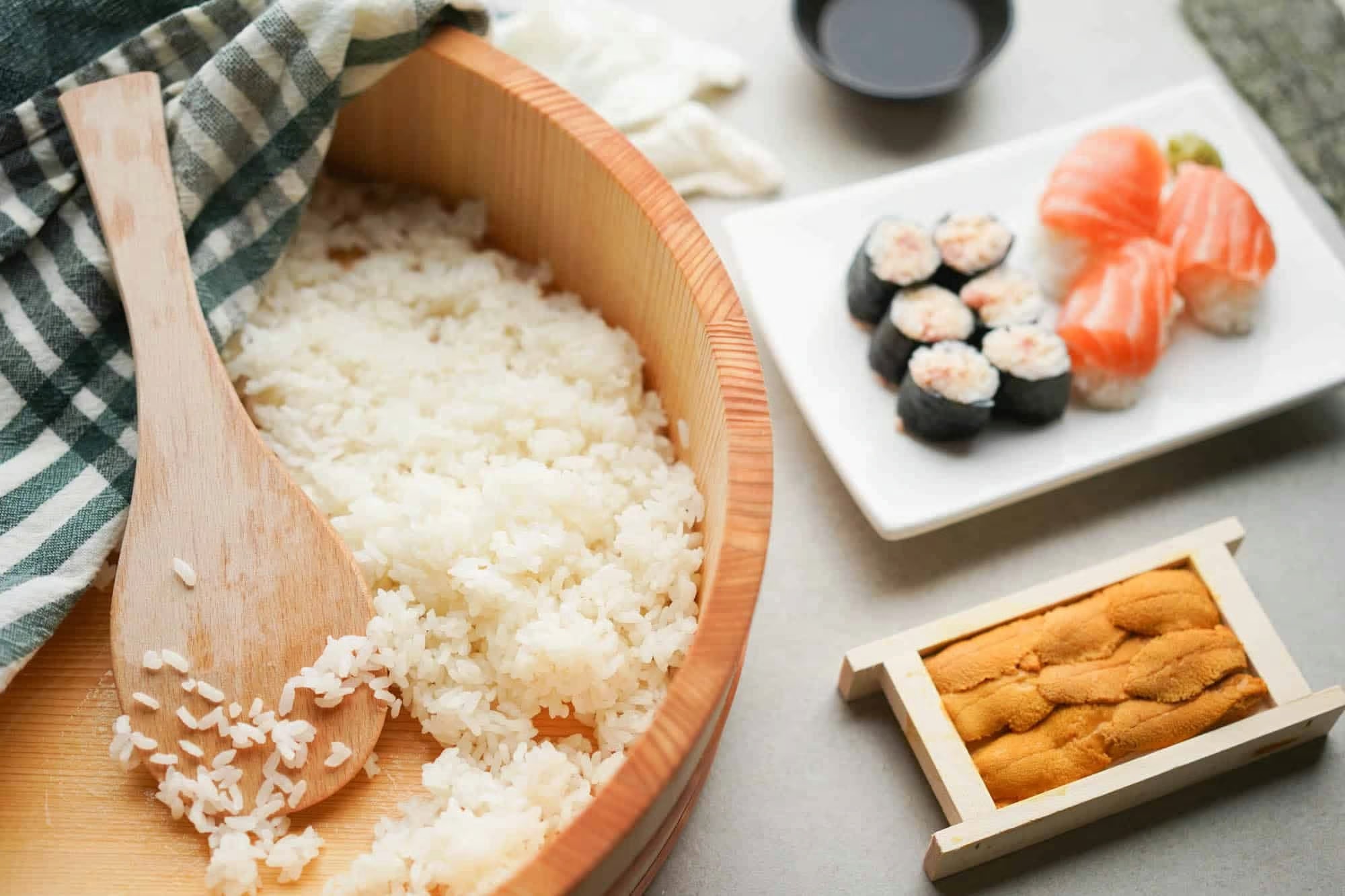
Ingredients For Sushi Rice Recipe
Short-grain sushi rice: This type of rice is essential for its sticky texture, which helps the rice hold together in sushi rolls.
Water: Used to cook the rice to the perfect consistency.
Rice vinegar: Adds a tangy flavor and helps season the rice.
Sugar: Balances the acidity of the vinegar and adds a slight sweetness.
Salt: Enhances the overall flavor of the sushi rice.
Technique Tip for Making Sushi Rice
When preparing sushi rice, it's crucial to rinse the short-grain rice thoroughly under cold water until the water runs clear. This step removes excess starch, which can make the rice too sticky. After cooking the rice, use a wooden or non-metallic spatula to gently fold in the vinegar mixture. This helps to avoid crushing the grains and ensures an even distribution of the seasoning. Allow the rice to cool to room temperature in a wide, shallow container to achieve the perfect texture for sushi.
Suggested Side Dishes
Alternative Ingredients
short-grain sushi rice - Substitute with arborio rice: Arborio rice has a similar starchy texture that can mimic the stickiness of sushi rice.
short-grain sushi rice - Substitute with calrose rice: Calrose rice is a medium-grain rice that becomes slightly sticky when cooked, making it a good alternative.
water - Substitute with dashi broth: Dashi broth can add an extra layer of umami flavor to the rice.
rice vinegar - Substitute with apple cider vinegar: Apple cider vinegar has a mild acidity similar to rice vinegar, though it may add a slight apple flavor.
rice vinegar - Substitute with white wine vinegar: White wine vinegar has a similar acidity level and can be used in a pinch.
sugar - Substitute with honey: Honey can provide the necessary sweetness, though it will add a different flavor profile.
sugar - Substitute with agave syrup: Agave syrup is another sweetener that can be used, offering a more neutral flavor compared to honey.
salt - Substitute with soy sauce: Soy sauce can add both saltiness and umami, though it will change the color of the rice slightly.
salt - Substitute with sea salt: Sea salt can be used as a direct substitute for regular salt, offering a slightly different mineral content.
Alternative Recipes Similar to Sushi Rice
How to Store or Freeze Your Sushi Rice
- Allow the sushi rice to cool to room temperature before storing. This helps maintain its texture and flavor.
- Transfer the cooled rice to an airtight container. This prevents it from drying out and absorbing unwanted odors from the fridge.
- Store the container in the refrigerator if you plan to use the rice within 24 hours. Sushi rice is best consumed fresh, but it can be kept in the fridge for up to a day.
- For longer storage, portion the rice into smaller, freezer-safe containers or resealable plastic bags. Flatten the rice in the bags to ensure even freezing and quicker thawing.
- Label each container or bag with the date to keep track of its freshness.
- When ready to use, thaw the frozen rice in the refrigerator overnight. Avoid microwaving as it can alter the texture.
- Gently reheat the thawed rice by steaming it. Place the rice in a steamer basket over simmering water for a few minutes until it reaches the desired temperature.
- If you notice the rice has dried out slightly, sprinkle a small amount of water over it before reheating to restore moisture.
- Avoid freezing sushi rice with vinegar mixture already mixed in. Instead, freeze the plain cooked rice and add the vinegar mixture after thawing and reheating. This ensures the best flavor and texture.
How to Reheat Leftovers
Microwave Method: Place the sushi rice in a microwave-safe bowl. Cover it with a damp paper towel to retain moisture. Heat on medium power for 1-2 minutes, checking and stirring halfway through to ensure even heating. Add a splash of water if the rice seems dry.
Steamer Method: Set up a steamer basket over a pot of simmering water. Place the sushi rice in the basket, cover, and steam for about 5-7 minutes. This method helps maintain the rice's texture and moisture.
Stovetop Method: Add the sushi rice to a non-stick pan with a splash of water. Cover the pan and heat over low-medium heat, stirring occasionally, until the rice is warmed through. This method allows you to control the heat and prevent the rice from drying out.
Oven Method: Preheat your oven to 300°F (150°C). Spread the sushi rice evenly in an oven-safe dish. Cover the dish with aluminum foil to trap moisture. Heat for about 10-15 minutes, or until the rice is warmed through. This method is great for reheating larger quantities.
Double Boiler Method: Fill the bottom of a double boiler with water and bring it to a simmer. Place the sushi rice in the top part of the double boiler. Cover and heat for about 5-10 minutes, stirring occasionally. This gentle method helps retain the rice's delicate texture.
Essential Tools for Making Sushi Rice
Rice cooker: Essential for cooking the sushi rice to the perfect texture without constant monitoring.
Fine-mesh strainer: Used to rinse the sushi rice thoroughly under cold water until the water runs clear.
Small saucepan: Needed to heat the rice vinegar, sugar, and salt mixture until dissolved.
Large bowl: For transferring the cooked rice and mixing it with the vinegar mixture.
Wooden spoon or rice paddle: Ideal for gently folding the vinegar mixture into the rice without mashing the grains.
Measuring cups: To accurately measure the rice, water, rice vinegar, sugar, and salt.
Stove: Used to heat the vinegar mixture in the small saucepan.
Cooling rack: Optional, but useful for allowing the rice to cool evenly to room temperature.
How to Save Time on Making Sushi Rice
Rinse efficiently: Use a fine-mesh strainer to rinse the sushi rice quickly and thoroughly.
Use a rice cooker: A rice cooker ensures perfectly cooked sushi rice without constant monitoring.
Pre-mix vinegar solution: Prepare the rice vinegar mixture in advance and store it in the fridge.
Cool rice faster: Spread the cooked rice on a baking sheet to cool it quickly and evenly.
Batch cooking: Make extra sushi rice and freeze portions for future use.
Sushi Rice Recipe
Ingredients
Main Ingredients
- 2 cups Sushi Rice short-grain
- 2 cups Water
- ½ cup Rice Vinegar
- ¼ cup Sugar
- 1 teaspoon Salt
Instructions
- Rinse the sushi rice under cold water until the water runs clear.
- Combine the rinsed rice and water in a rice cooker and cook according to the manufacturer's instructions.
- In a small saucepan, combine the rice vinegar, sugar, and salt. Cook over medium heat until the sugar and salt are dissolved. Do not boil.
- Once the rice is cooked, transfer it to a large bowl. Pour the vinegar mixture over the rice and gently fold to combine. Let the rice cool to room temperature before using it for sushi.
Nutritional Value
Keywords
More Amazing Recipes to Try 🙂
- Balsamic Bruschetta Recipe15 Minutes
- Prickly Pear Cactus Margarita Recipe10 Minutes
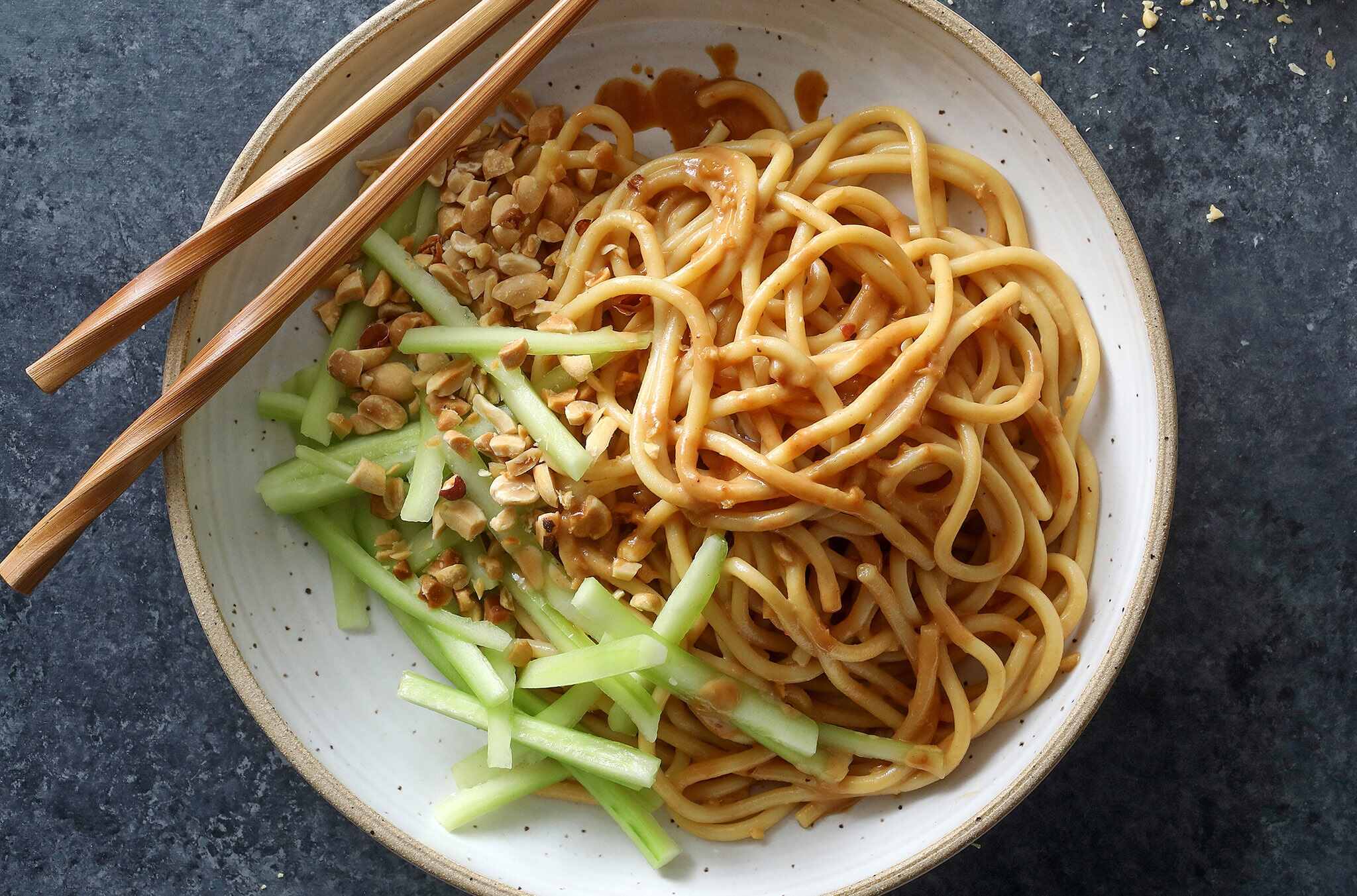
- Sesame Noodles Recipe25 Minutes
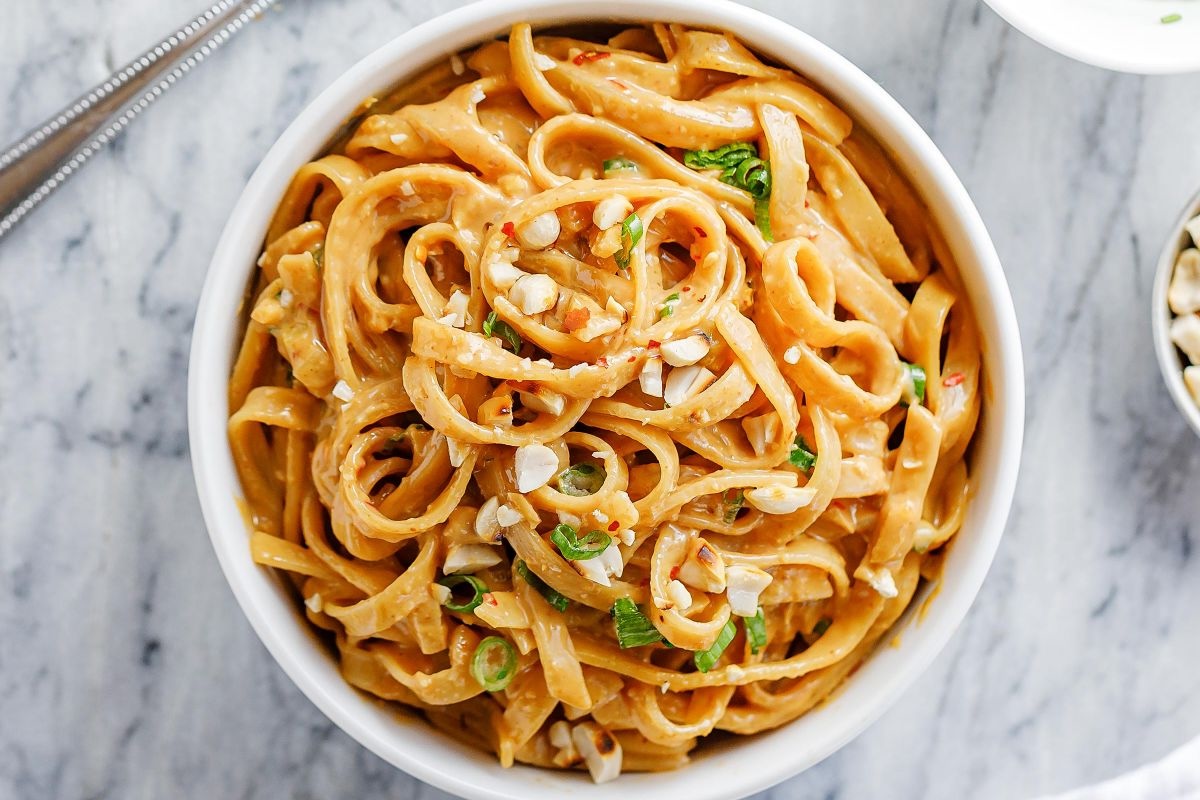
- Peanut Butter Noodles Recipe25 Minutes
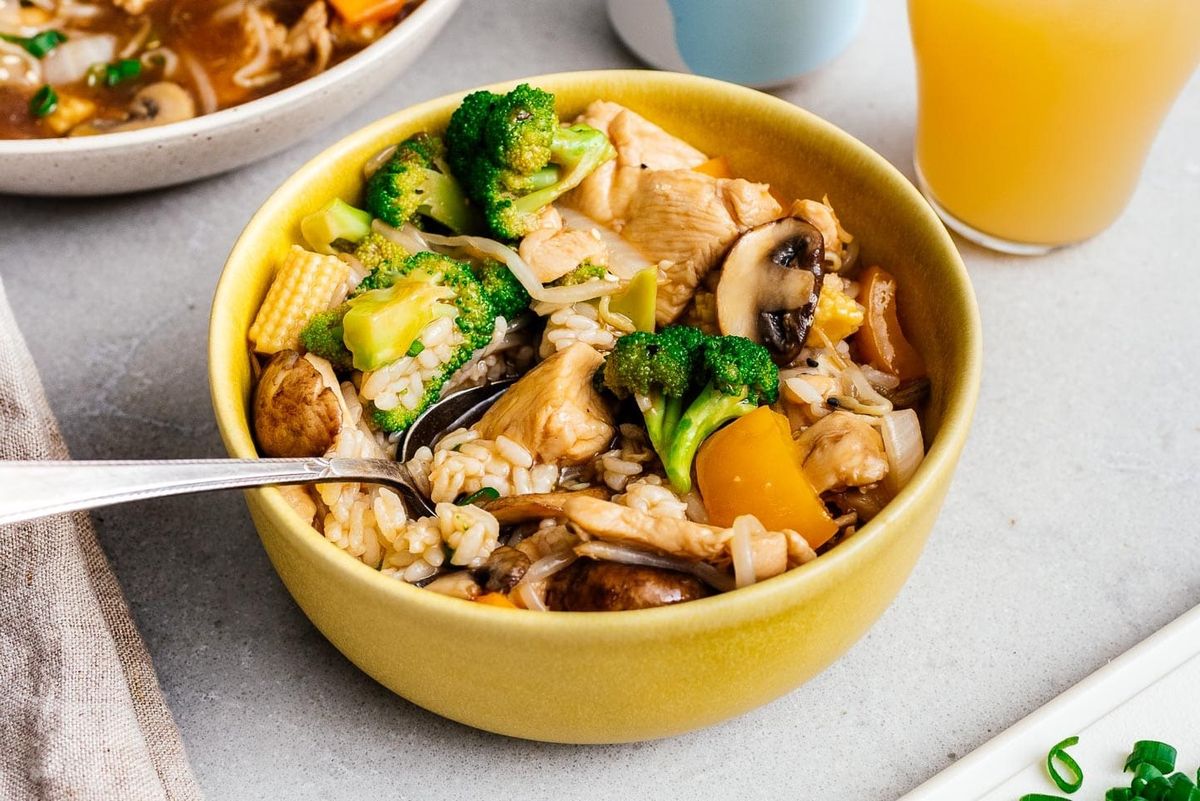
- Chop Suey Recipe35 Minutes
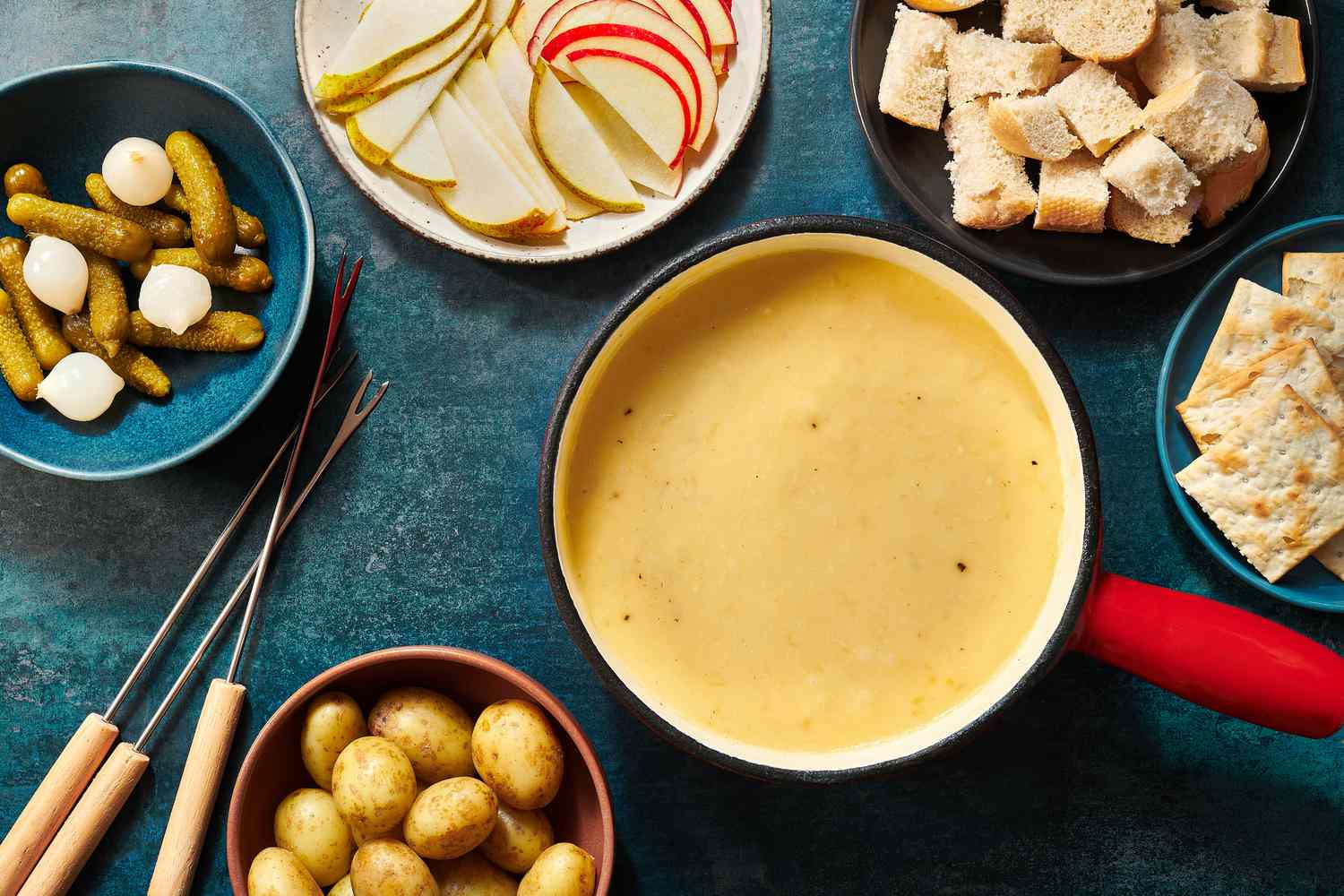
- Cheese Fondue Recipe25 Minutes
- Chicken Pot Pie with Biscuit Crust Recipe1 Hours
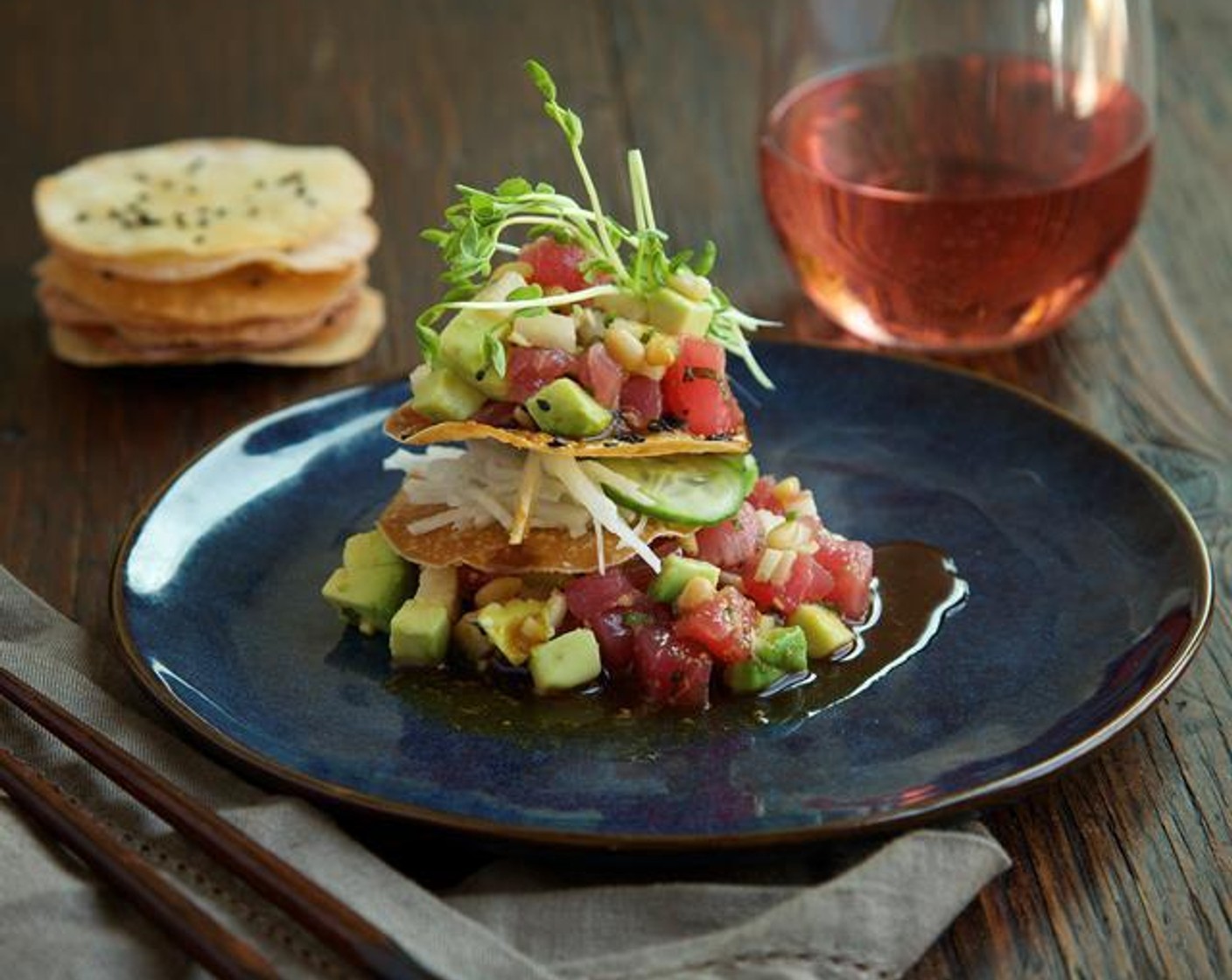
- Ahi Poke Recipe15 Minutes




Leave a Reply