
Elevate your culinary creations with this versatile seasoned salt recipe. Perfect for adding a burst of flavor to any dish, this blend combines the savory notes of garlic powder and onion powder with the subtle heat of cayenne pepper. Whether you're seasoning meats, vegetables, or even popcorn, this homemade mix will become a staple in your kitchen.
While most of the ingredients in this recipe are common pantry staples, you might need to pick up paprika and cayenne pepper if they aren't already in your spice rack. Paprika adds a mild sweetness and vibrant color, while cayenne pepper brings a touch of heat. Both can be found in the spice aisle of any well-stocked supermarket.
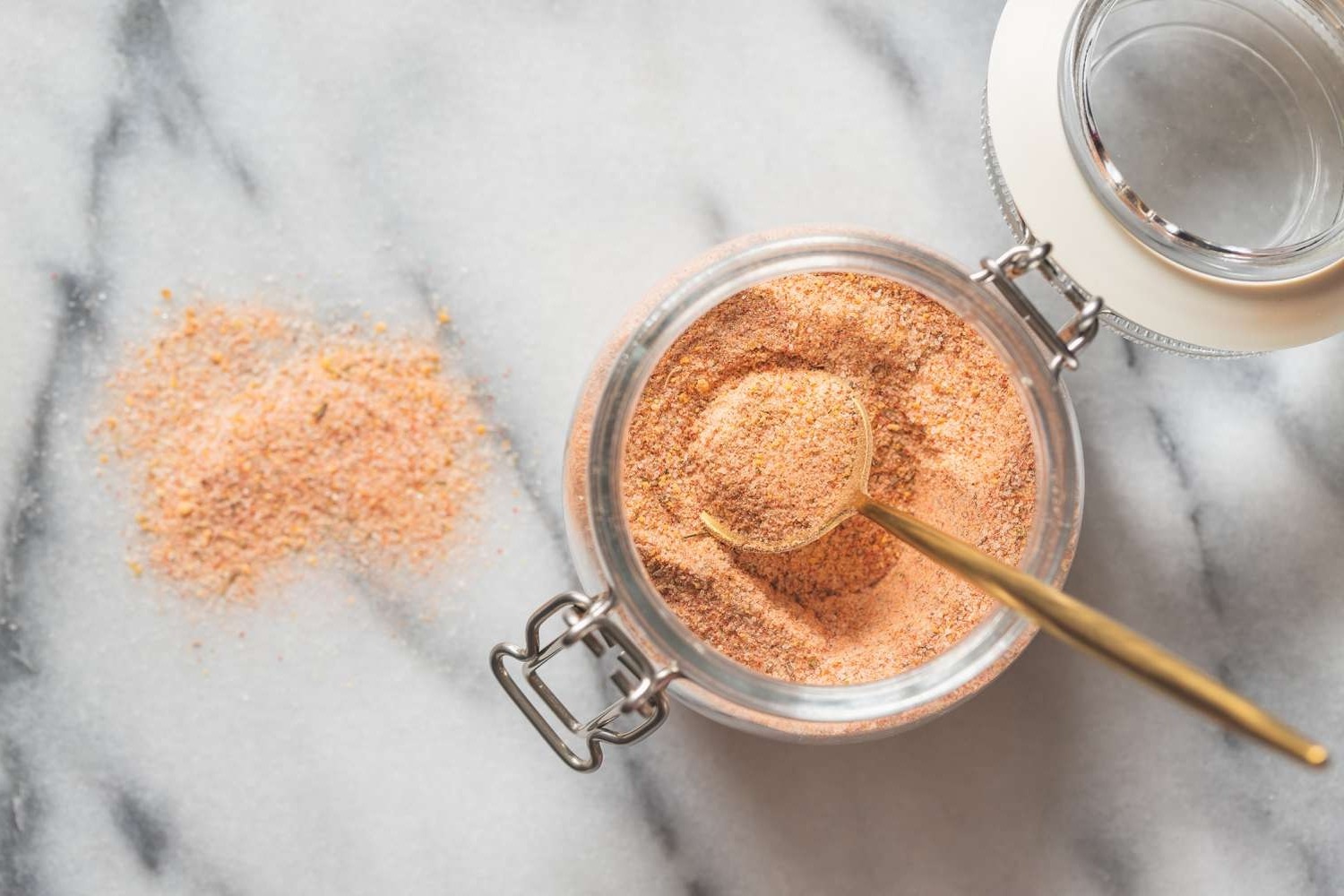
Ingredients for Seasoned Salt Recipe
Salt: The base of the seasoning mix, providing the essential savory flavor.
Paprika: Adds a mild sweetness and vibrant red color to the blend.
Garlic powder: Brings a rich, savory depth to the seasoning.
Onion powder: Adds a subtle, sweet onion flavor.
Black pepper: Provides a mild heat and earthy flavor.
Cayenne pepper: Adds a spicy kick to the mix.
Technique Tip for Seasoned Salt
When mixing the seasoned salt, use a whisk instead of a spoon to ensure that the paprika, garlic powder, onion powder, black pepper, and cayenne pepper are evenly distributed throughout the salt. This will help prevent clumping and ensure a consistent flavor in every pinch.
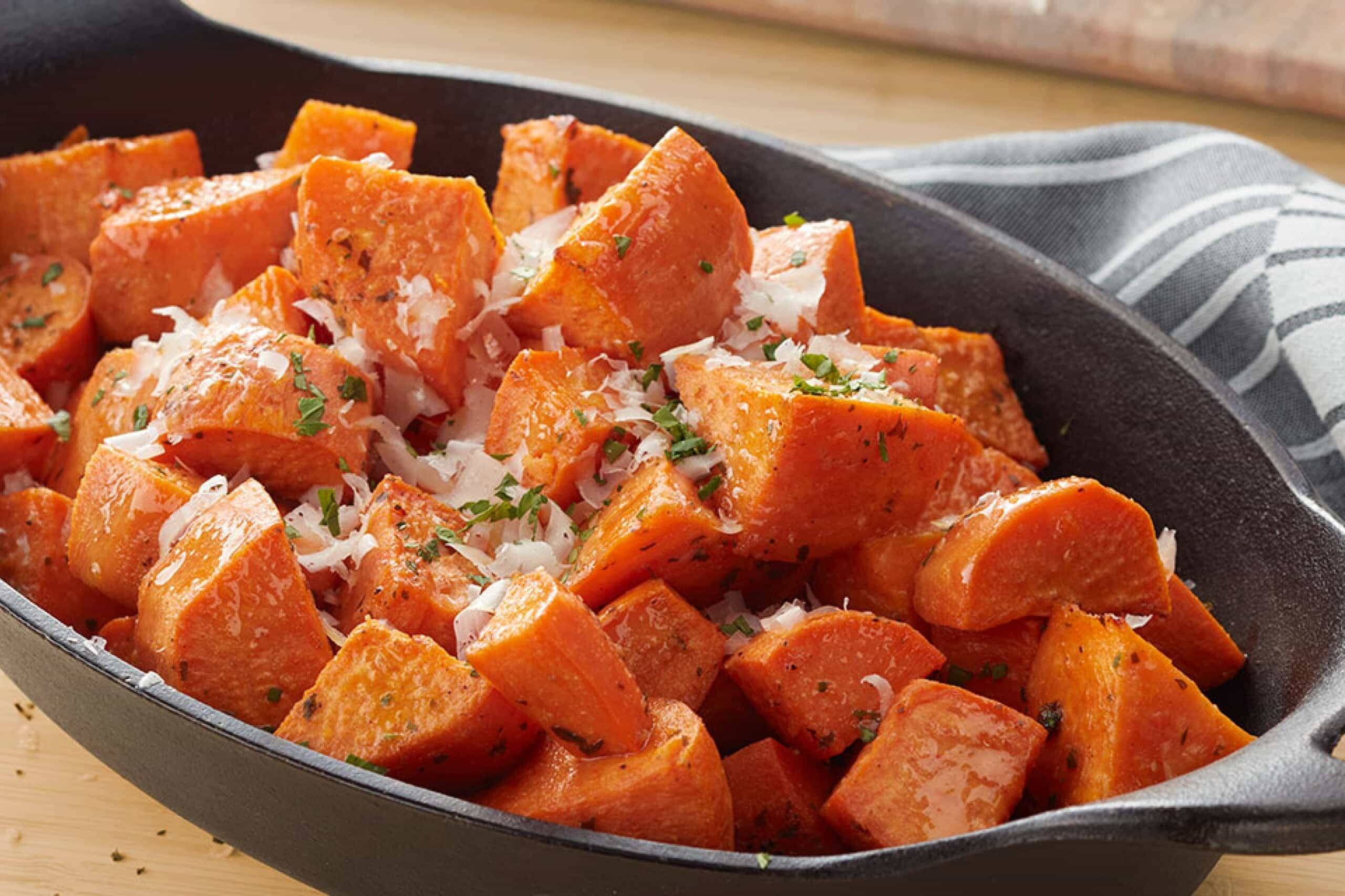
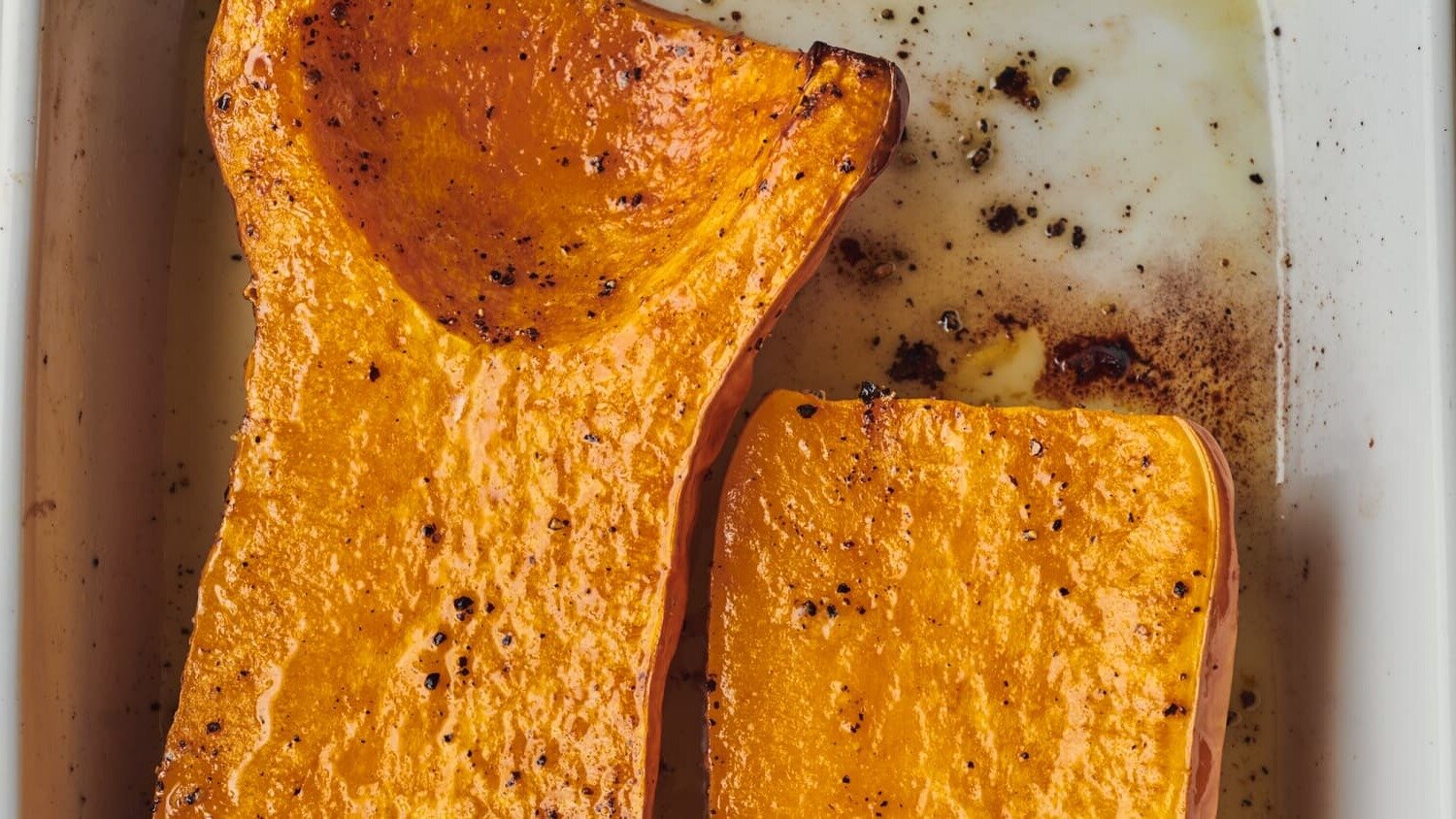
Suggested Side Dishes
Alternative Ingredients
salt - Substitute with sea salt: Sea salt can provide a slightly different texture and flavor, but it works well as a direct substitute for regular salt.
salt - Substitute with kosher salt: Kosher salt has larger grains and a milder flavor, making it a good alternative to regular salt.
paprika - Substitute with smoked paprika: Smoked paprika adds a smoky flavor that can enhance the overall taste of the seasoning mix.
paprika - Substitute with chili powder: Chili powder can add a bit more heat and complexity to the seasoning mix.
garlic powder - Substitute with granulated garlic: Granulated garlic has a coarser texture but provides a similar garlic flavor.
garlic powder - Substitute with fresh garlic: Minced fresh garlic can be used, but it will add moisture to the mix and a more intense garlic flavor.
onion powder - Substitute with granulated onion: Granulated onion has a coarser texture but provides a similar onion flavor.
onion powder - Substitute with dried minced onion: Dried minced onion adds a bit of texture and a similar onion flavor.
black pepper - Substitute with white pepper: White pepper has a slightly different flavor profile but can be used as a direct substitute.
black pepper - Substitute with ground coriander: Ground coriander offers a different but complementary flavor to the seasoning mix.
cayenne pepper - Substitute with red pepper flakes: Red pepper flakes provide a similar heat level and can be used as a substitute.
cayenne pepper - Substitute with hot paprika: Hot paprika adds heat and a bit of smokiness, making it a good alternative to cayenne pepper.
Alternative Recipes Similar to Seasoned Salt
How to Store or Freeze Seasoned Salt
Ensure your seasoned salt is stored in an airtight container to maintain its freshness and potency. A glass jar with a tight-fitting lid works perfectly.
Keep the container in a cool, dark place, such as a pantry or cupboard, away from direct sunlight and heat sources. This helps preserve the vibrant flavors of the paprika, garlic powder, and onion powder.
For optimal flavor, use your seasoned salt within six months. Over time, the spices may lose their intensity, but it will still be safe to use.
If you live in a humid climate, consider adding a few grains of uncooked rice to the container. The rice will absorb excess moisture, preventing the salt from clumping.
While freezing is not necessary for seasoned salt, if you prefer to make a large batch, you can freeze it. Divide the seasoned salt into smaller portions and store each in a separate airtight container or freezer bag.
When ready to use, allow the seasoned salt to come to room temperature before opening the container. This prevents condensation from forming inside, which could lead to clumping.
Label your containers with the date of preparation to keep track of freshness. This is especially useful if you have multiple batches or other spice blends in your pantry.
Avoid using wet utensils when scooping out the seasoned salt. Moisture can cause the salt to clump and reduce its shelf life. Use a dry spoon or measuring tool instead.
If you notice any changes in color, smell, or texture, it's best to discard the seasoned salt and make a fresh batch. This ensures that your dishes always taste their best.
How to Reheat Leftovers
Preheat your oven to 350°F (175°C). Spread your leftover seasoned salt on a baking sheet in a thin, even layer. Heat for about 5-10 minutes, stirring occasionally to ensure even warming. This method helps to refresh the flavors and remove any moisture that might have been absorbed.
If you prefer a quicker method, use a dry skillet over medium heat. Add the seasoned salt and stir continuously for 3-5 minutes. This will help to reawaken the spices and ensure they are evenly distributed.
For a microwave option, spread the seasoned salt on a microwave-safe plate. Heat on high for 30-second intervals, stirring in between, until the salt is warm and the spices are aromatic. Be cautious not to overheat, as microwaves can vary in power.
If you have a dehydrator, spread the seasoned salt on a tray and set the temperature to around 125°F (52°C). Let it dehydrate for about 1-2 hours. This method is excellent for removing any excess moisture without altering the flavor profile.
For a more aromatic touch, you can add a few drops of olive oil or lemon juice to the seasoned salt before reheating. This can help to enhance the flavors and provide a fresh twist. Use the oven or skillet method for this approach.
Best Tools for This Recipe
Mixing bowl: A large bowl used to combine all the ingredients together.
Measuring cups: Used to measure out the salt and paprika accurately.
Measuring spoons: Used to measure out the garlic powder, onion powder, black pepper, and cayenne pepper precisely.
Whisk: Used to mix the ingredients thoroughly to ensure an even blend.
Airtight container: Used to store the seasoned salt to keep it fresh and prevent moisture from getting in.
How to Save Time on Making Seasoned Salt
Measure ingredients ahead: Pre-measure all ingredients and keep them ready to mix. This saves time during preparation.
Use a whisk: A whisk can quickly and evenly combine the seasonings, ensuring a consistent blend.
Batch preparation: Make a larger batch of seasoned salt and store it in multiple containers for future use.
Label containers: Clearly label your airtight containers with the date and contents to easily identify and use them later.
Clean as you go: Clean up your workspace while the seasoned salt is mixing to save time on post-preparation cleanup.
Seasoned Salt Recipe
Ingredients
Seasoned Salt Ingredients
- 1 cup Salt
- 2 tablespoon Paprika
- 1 tablespoon Garlic powder
- 1 tablespoon Onion powder
- 1 teaspoon Black pepper
- 1 teaspoon Cayenne pepper
Instructions
- In a mixing bowl, combine all ingredients.
- Mix well until evenly combined.
- Store in an airtight container.
Keywords
More Amazing Recipes to Try 🙂
- Beer Batter Recipe30 Minutes
- Sausage Potato and Kale Soup Recipe45 Minutes
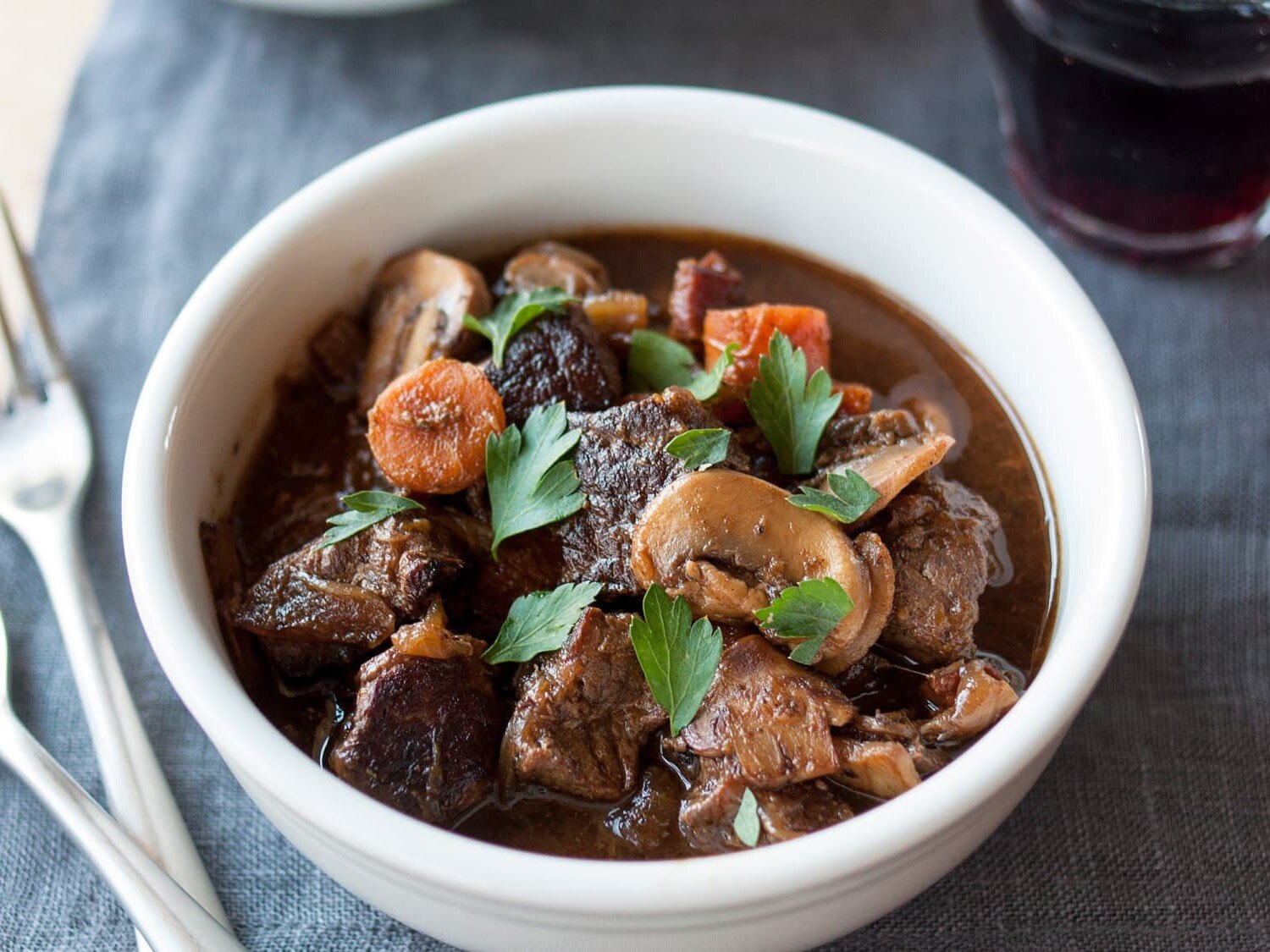
- Slow Cooker Beef Bourguignon Recipe8 Hours 20 Minutes
- Baked Hawaiian Sandwiches Recipe30 Minutes
- Tempura Batter Recipe15 Minutes
- Agua de Jamaica Hibiscus Water Recipe20 Minutes
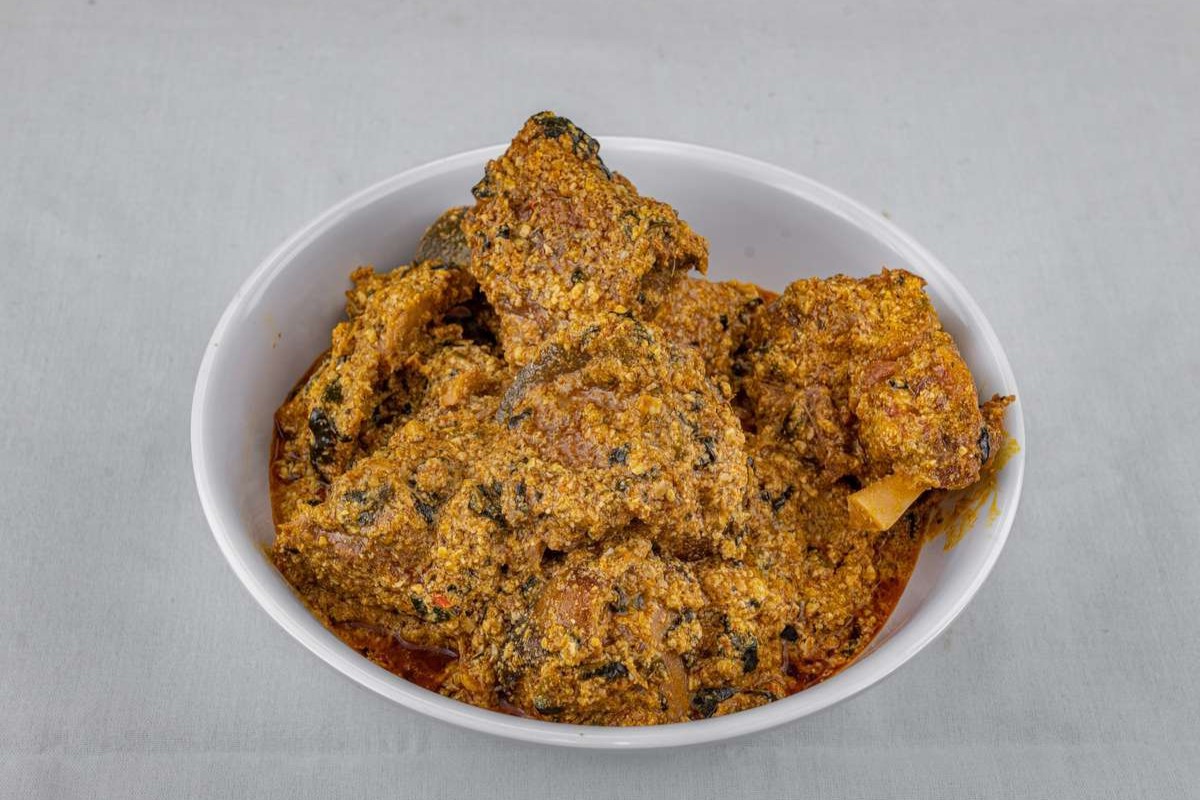
- Egusi Soup Recipe1 Hours 20 Minutes
- Apple Pie Moonshine Recipe1 Hours 10 Minutes







Leave a Reply