
Transform your pasta dishes with this rich and flavorful pasta sauce. Perfect for any pasta lover, this sauce combines the sweetness of canned tomatoes with the aromatic blend of dried basil and dried oregano. It's a simple yet delicious recipe that will elevate your meal to the next level.
If you don't usually stock dried basil or dried oregano in your pantry, you might need to pick these up at the supermarket. These herbs are essential for adding depth and a classic Italian flavor to your sauce. Additionally, make sure to get good quality canned tomatoes for the best results.
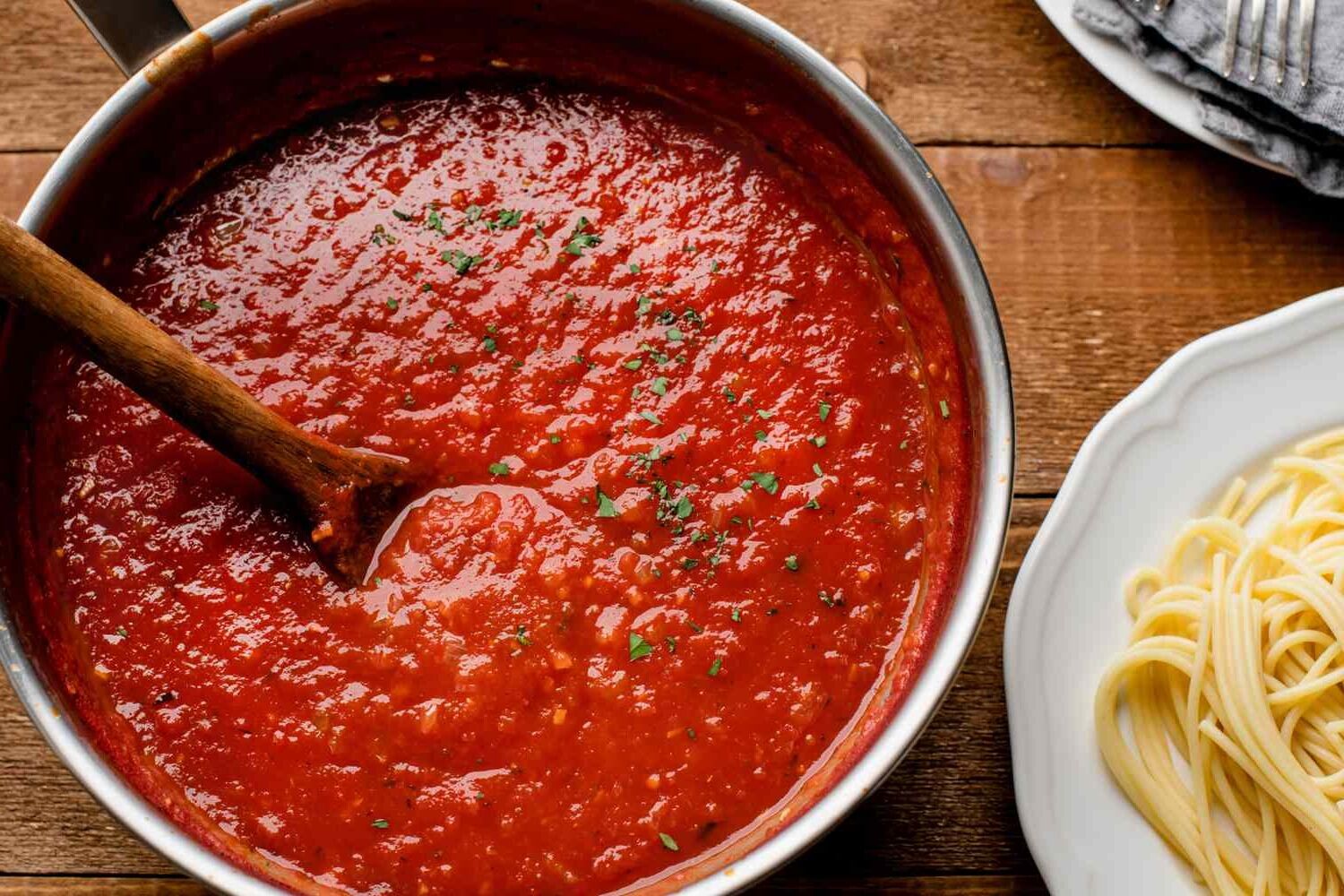
Ingredients For Pasta Sauce Recipe
Olive oil: A healthy fat that helps to sauté the onions and garlic, adding a rich flavor to the sauce.
Onion: Provides a sweet and savory base for the sauce.
Garlic: Adds a pungent and aromatic flavor that complements the tomatoes.
Canned tomatoes: The main ingredient that gives the sauce its body and rich tomato flavor.
Salt: Enhances the overall flavor of the sauce.
Sugar: Balances the acidity of the tomatoes, adding a subtle sweetness.
Dried basil: Adds a sweet and slightly peppery flavor, essential for an authentic Italian taste.
Dried oregano: Provides a robust and earthy flavor that complements the basil.
Black pepper: Adds a hint of spice and enhances the other flavors in the sauce.
Technique Tip for Making Sauce
When sautéing the onion and garlic, ensure you do not let them brown too much. The goal is to achieve a translucent and fragrant base, which will add depth to your pasta sauce. If the garlic browns, it can impart a bitter taste to the sauce. Stir frequently and keep an eye on the heat to maintain the right level of cooking.
Suggested Side Dishes
Alternative Ingredients
olive oil - Substitute with canola oil: Canola oil has a neutral flavor and similar cooking properties.
olive oil - Substitute with butter: Butter adds a rich flavor and can be used for sautéing.
onion - Substitute with shallots: Shallots have a milder, sweeter taste and can be used similarly.
onion - Substitute with leeks: Leeks provide a subtle onion flavor and can be used in the same way.
garlic - Substitute with garlic powder: Garlic powder provides a similar flavor and is convenient to use.
garlic - Substitute with shallots: Shallots can add a mild garlic-like flavor when minced.
canned tomatoes - Substitute with fresh tomatoes: Fresh tomatoes can be chopped and cooked down to create a similar sauce.
canned tomatoes - Substitute with tomato paste and water: Tomato paste mixed with water can mimic the consistency and flavor of canned tomatoes.
salt - Substitute with soy sauce: Soy sauce adds saltiness and an umami flavor.
salt - Substitute with sea salt: Sea salt can be used in the same quantity for a similar taste.
sugar - Substitute with honey: Honey adds sweetness and a slight floral note.
sugar - Substitute with maple syrup: Maple syrup provides sweetness with a unique flavor.
dried basil - Substitute with fresh basil: Fresh basil can be chopped and used in a slightly larger quantity.
dried basil - Substitute with dried thyme: Dried thyme offers a different but complementary herb flavor.
dried oregano - Substitute with dried thyme: Dried thyme can provide a similar earthy flavor.
dried oregano - Substitute with dried marjoram: Dried marjoram has a similar taste profile to oregano.
black pepper - Substitute with white pepper: White pepper offers a similar heat without the black specks.
black pepper - Substitute with red pepper flakes: Red pepper flakes add heat and a slightly different flavor.
Alternative Recipes Similar to This Sauce
How to Store or Freeze Your Sauce
- Allow the pasta sauce to cool completely before storing. This prevents condensation from forming inside the container, which can dilute the sauce and affect its flavor.
- Transfer the cooled sauce into airtight containers or freezer-safe bags. Make sure to leave some space at the top of the container or bag, as the sauce will expand when frozen.
- Label each container or bag with the date and contents. This helps you keep track of how long the sauce has been stored and ensures you use the oldest sauce first.
- For short-term storage, place the containers in the refrigerator. The sauce will keep for up to 5 days.
- For long-term storage, place the containers in the freezer. The sauce can be frozen for up to 3 months without losing its flavor and texture.
- When ready to use, thaw the frozen pasta sauce in the refrigerator overnight. If you're in a hurry, you can also thaw it in a microwave-safe container using the defrost setting.
- Reheat the sauce in a saucepan over medium heat, stirring occasionally until it reaches your desired temperature. If the sauce is too thick after reheating, you can add a splash of water or broth to thin it out.
- For an extra burst of flavor, consider adding fresh herbs like basil or parsley just before serving. This will give your sauce a fresh, vibrant taste.
- If you have leftover sauce after reheating, you can store it in the refrigerator for up to 3 days. Make sure to cool it completely before transferring it back to an airtight container.
How to Reheat Leftovers
For stovetop reheating:
- Pour the pasta sauce into a saucepan.
- Heat over medium-low heat, stirring occasionally to prevent sticking.
- Add a splash of water or broth if the sauce seems too thick.
- Simmer until the sauce is heated through, about 5-10 minutes.
For microwave reheating:
- Transfer the pasta sauce to a microwave-safe container.
- Cover with a microwave-safe lid or plastic wrap, leaving a small vent.
- Heat on high for 1-2 minutes, then stir.
- Continue heating in 30-second intervals, stirring in between, until the sauce is hot.
For oven reheating:
- Preheat your oven to 350°F (175°C).
- Place the pasta sauce in an oven-safe dish.
- Cover with aluminum foil to prevent drying out.
- Bake for 15-20 minutes, or until the sauce is heated through, stirring halfway.
For slow cooker reheating:
- Pour the pasta sauce into the slow cooker.
- Set the slow cooker to low heat.
- Cover and heat for 1-2 hours, stirring occasionally, until the sauce is thoroughly warmed.
For sous vide reheating:
- Place the pasta sauce in a vacuum-sealed bag or a ziplock bag with the air removed.
- Set your sous vide machine to 140°F (60°C).
- Submerge the bag in the water bath and heat for 30-45 minutes, until the sauce is hot.
Essential Tools for Making Sauce
Saucepan: Use this to heat the olive oil and cook the onions and garlic. It will also be used to simmer the sauce.
Wooden spoon: Ideal for stirring the onions, garlic, and sauce ingredients without scratching the saucepan.
Cutting board: Provides a safe and stable surface for chopping the onion and mincing the garlic.
Chef's knife: Essential for chopping the onion and mincing the garlic efficiently.
Can opener: Necessary for opening the canned tomatoes.
Measuring spoons: Use these to measure out the olive oil, salt, sugar, dried basil, dried oregano, and black pepper accurately.
Immersion blender: Handy for blending the sauce to your desired consistency directly in the saucepan.
Time-Saving Tips for Making Sauce
Use pre-chopped onions: Save time by buying pre-chopped onions from the store.
Minced garlic in a jar: Opt for minced garlic in a jar instead of mincing fresh cloves.
Crushed tomatoes: Use crushed tomatoes instead of whole canned tomatoes to skip the blending step.
Batch cooking: Make a large batch of pasta sauce and freeze portions for future use.
Simmer while multitasking: Let the sauce simmer while you prepare other parts of your meal.
Pasta Sauce Recipe
Ingredients
Main Ingredients
- 2 tablespoon Olive Oil
- 1 medium Onion, chopped
- 3 cloves Garlic, minced
- 800 g Canned Tomatoes
- 1 teaspoon Salt
- 1 teaspoon Sugar
- 1 teaspoon Dried Basil
- 1 teaspoon Dried Oregano
- ¼ teaspoon Black Pepper
Instructions
- Heat the olive oil in a saucepan over medium heat.
- Add the chopped onion and cook until translucent, about 5 minutes.
- Add the minced garlic and cook for another minute.
- Add the canned tomatoes, salt, sugar, dried basil, dried oregano, and black pepper.
- Bring to a simmer and cook for 20-25 minutes, stirring occasionally.
- Use an immersion blender to blend the sauce to your desired consistency, if needed.
Nutritional Value
Keywords
Suggested Appetizers and Desserts
More Amazing Recipes to Try 🙂
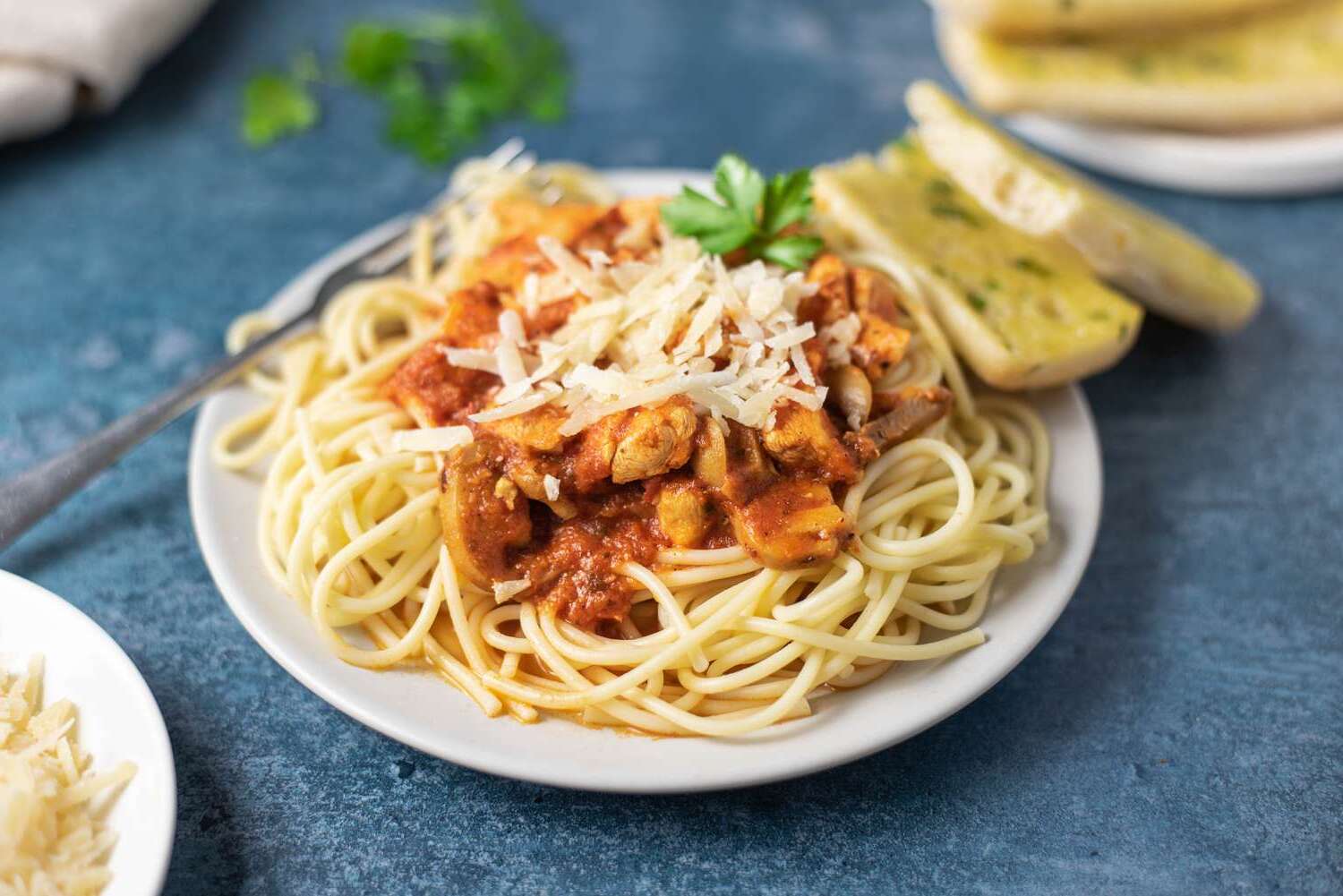
- Chicken Spaghetti Recipe45 Minutes
- Chocolate Cake Shot Recipe5 Minutes
- Potato Soup Recipe45 Minutes
- Caramel Frappuccino Recipe10 Minutes
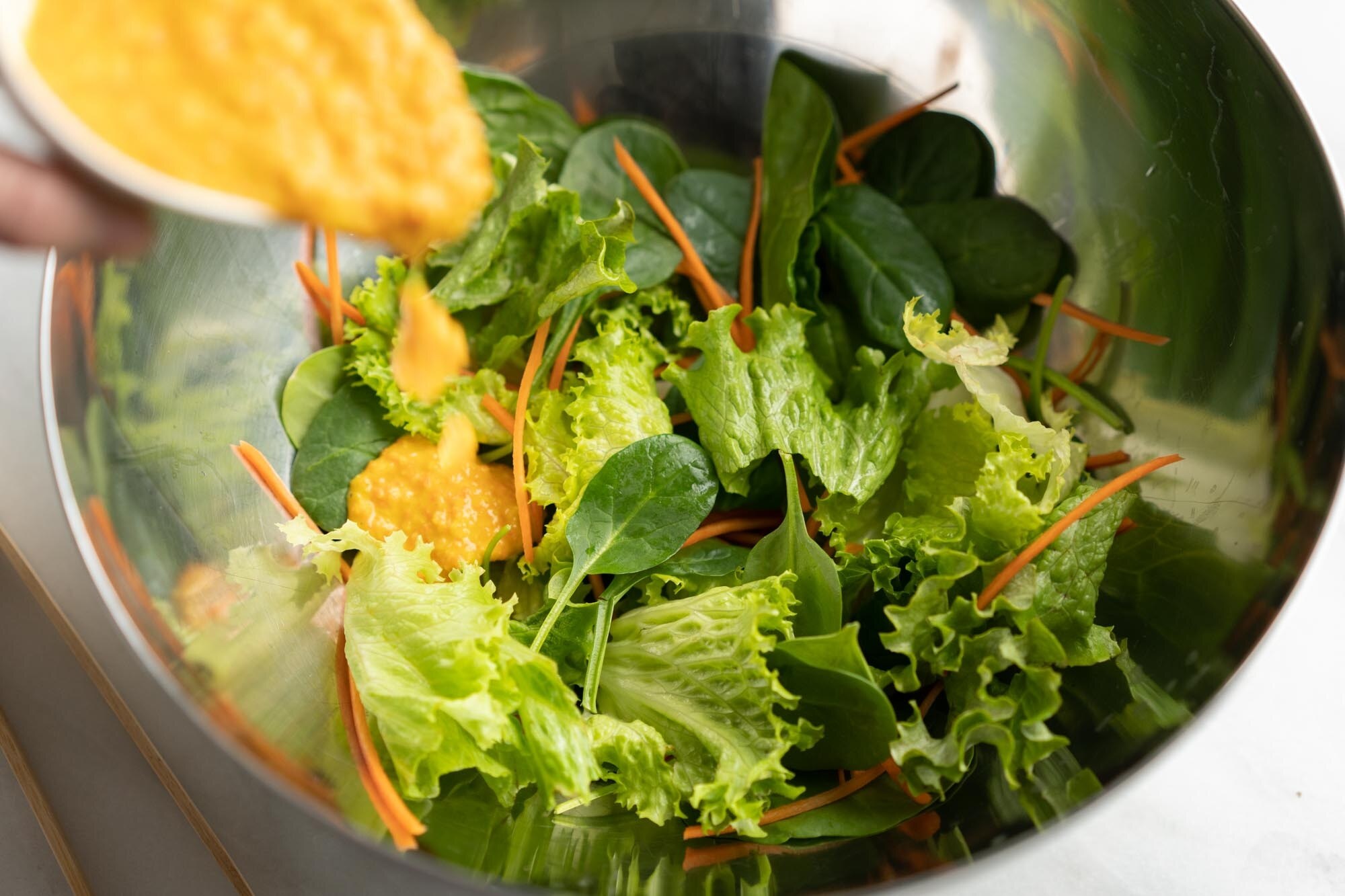
- Japanese Ginger Salad Dressing Recipe10 Minutes
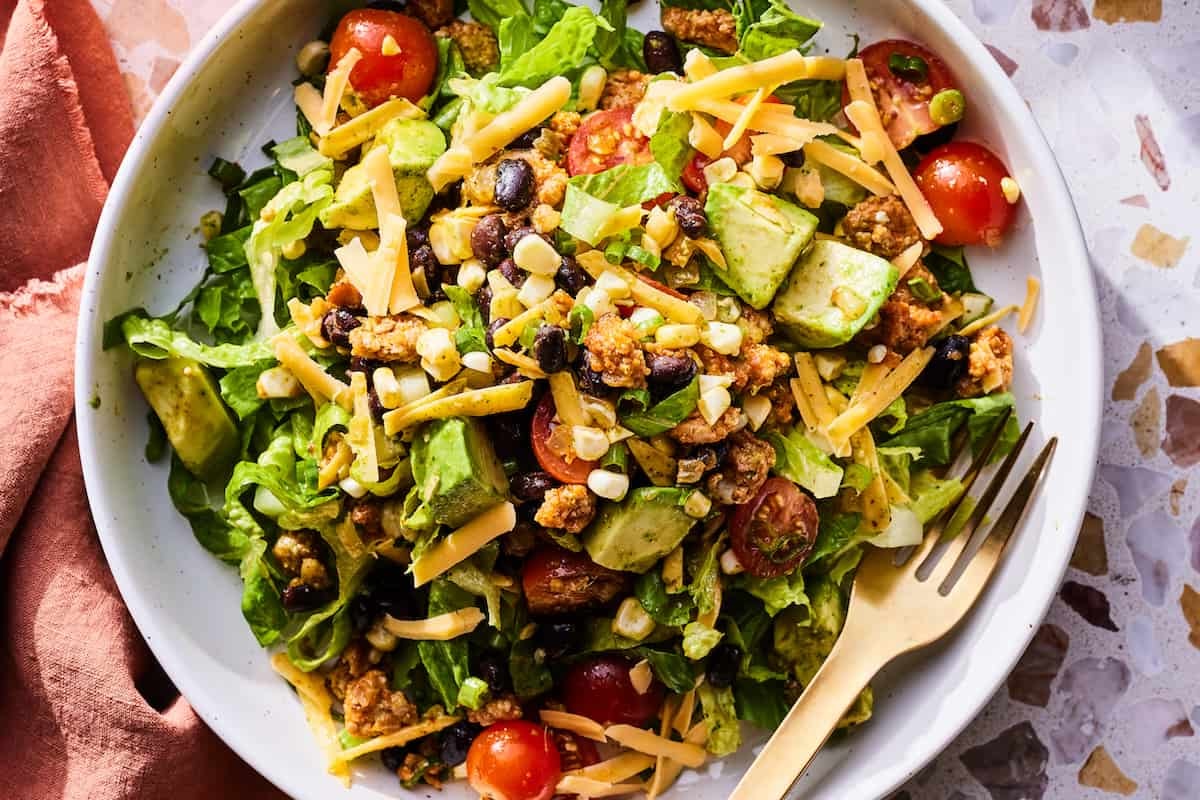
- Taco Salad Recipe25 Minutes
- Slow Cooker Pork Chops Recipe6 Minutes
- Pesto Grilled Cheese Sandwich Recipe20 Minutes






Leave a Reply