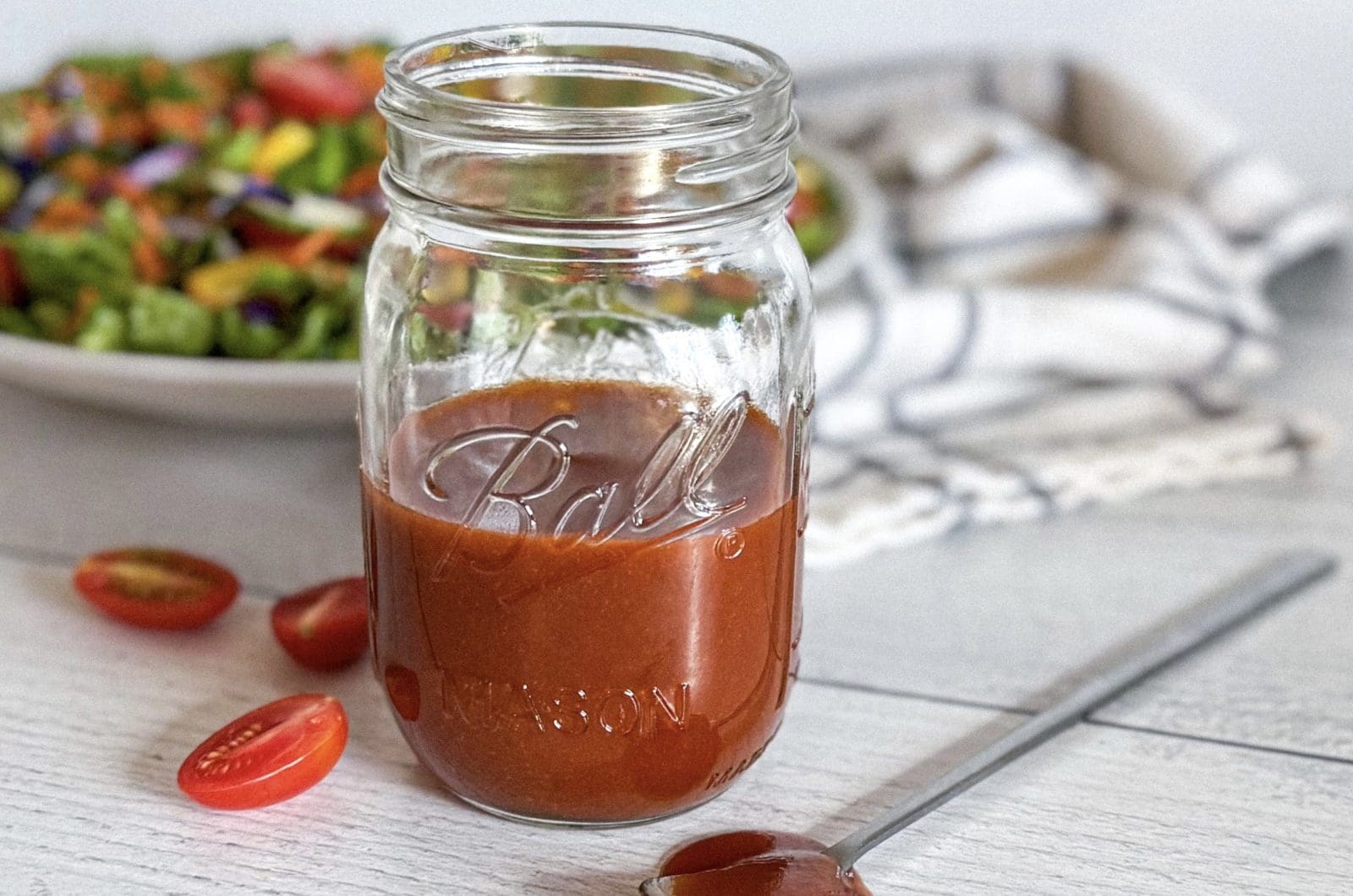
This balsamic vinaigrette is a versatile and flavorful dressing that can elevate any salad or dish. With its perfect balance of tangy balsamic vinegar and rich olive oil, this dressing is both simple to make and delicious. The addition of dijon mustard, garlic, and a hint of honey creates a harmonious blend that will leave your taste buds wanting more.
While most of the ingredients for this balsamic vinaigrette are commonly found in your pantry, you might need to pick up a few items if they are not already on hand. Dijon mustard and balsamic vinegar are essential for achieving the right flavor profile, so make sure to grab these from the supermarket if you don't have them. Fresh garlic is also key for that extra punch of flavor.

Ingredients For Balsamic Vinaigrette Recipe
Extra virgin olive oil: This high-quality oil adds a rich and smooth texture to the vinaigrette.
Balsamic vinegar: Provides a tangy and slightly sweet flavor that is essential for this dressing.
Dijon mustard: Helps to emulsify the dressing and adds a subtle sharpness.
Garlic: Freshly minced garlic gives the vinaigrette a robust and aromatic flavor.
Honey: Adds a touch of sweetness to balance the acidity of the vinegar.
Salt and pepper: Essential for seasoning and enhancing the overall taste of the vinaigrette.
Technique Tip for This Vinaigrette
When making a vinaigrette, it's crucial to achieve a proper emulsion. To do this, ensure that you whisk the balsamic vinegar, dijon mustard, garlic, and honey thoroughly before slowly drizzling in the olive oil. This gradual incorporation of oil helps to create a stable mixture, preventing the ingredients from separating. Additionally, using a whisk rather than a fork can make the process more efficient and result in a smoother dressing.
Suggested Side Dishes
Alternative Ingredients
extra virgin olive oil - Substitute with avocado oil: Avocado oil has a similar healthy fat profile and a mild flavor that works well in vinaigrettes.
extra virgin olive oil - Substitute with grapeseed oil: Grapeseed oil is neutral in flavor and has a light texture, making it a good alternative for dressings.
balsamic vinegar - Substitute with red wine vinegar: Red wine vinegar has a tangy flavor that can mimic the acidity of balsamic vinegar, though it lacks the sweetness.
balsamic vinegar - Substitute with apple cider vinegar: Apple cider vinegar provides a fruity acidity that can complement the other ingredients in the vinaigrette.
dijon mustard - Substitute with whole grain mustard: Whole grain mustard has a similar tangy flavor and can add a bit of texture to the vinaigrette.
dijon mustard - Substitute with yellow mustard: Yellow mustard is milder but can still provide the necessary tang and emulsifying properties.
garlic, minced - Substitute with garlic powder: Garlic powder can provide a similar flavor, though it is less pungent and more convenient to use.
garlic, minced - Substitute with shallots, minced: Shallots offer a milder, sweeter flavor that can add a different but pleasant note to the vinaigrette.
honey - Substitute with maple syrup: Maple syrup provides a similar sweetness and can add a unique flavor profile to the vinaigrette.
honey - Substitute with agave nectar: Agave nectar is another liquid sweetener that can easily blend into the vinaigrette and provide a similar sweetness.
salt - Substitute with soy sauce: Soy sauce can add saltiness along with a bit of umami flavor, enhancing the overall taste of the vinaigrette.
pepper - Substitute with white pepper: White pepper has a similar heat but a slightly different flavor profile, which can add a subtle complexity to the vinaigrette.
Other Alternative Recipes Similar to This Vinaigrette
How to Store or Freeze This Vinaigrette
- To store your balsamic vinaigrette, pour it into a clean, airtight container. A glass jar with a tight-fitting lid works perfectly.
- Place the container in the refrigerator. The vinaigrette will keep well for up to a week.
- Before using, give the vinaigrette a good shake or stir, as the olive oil and vinegar may separate over time.
- If you notice any off smells or changes in texture, it's best to discard the vinaigrette and make a fresh batch.
- For freezing, pour the vinaigrette into ice cube trays, filling each compartment about three-quarters full.
- Once frozen, transfer the vinaigrette cubes to a freezer-safe bag or container. This method allows you to thaw only the amount you need.
- To use, simply thaw the desired number of cubes in the refrigerator or at room temperature. Give it a good stir before serving.
- Avoid freezing vinaigrette containing fresh garlic, as it can develop an off flavor. Instead, add fresh garlic after thawing.
- Remember, freezing may slightly alter the texture, but the flavor should remain intact.
How to Reheat Leftovers
Room Temperature Method:
- Remove the balsamic vinaigrette from the refrigerator.
- Allow it to sit at room temperature for about 15-20 minutes.
- Give it a good shake or whisk to re-emulsify the ingredients before serving.
Warm Water Bath Method:
- Fill a bowl with warm (not hot) water.
- Place the container of vinaigrette in the warm water for about 5-10 minutes.
- Shake or whisk the vinaigrette to re-emulsify before using.
Microwave Method:
- Pour the desired amount of vinaigrette into a microwave-safe bowl.
- Microwave on low power for 10-15 seconds.
- Stir well to ensure even heating and re-emulsification.
Stovetop Method:
- Pour the vinaigrette into a small saucepan.
- Warm over low heat, stirring continuously, for about 1-2 minutes.
- Remove from heat and whisk to re-emulsify before serving.
Hand Warmth Method:
- Hold the container of vinaigrette in your hands for a few minutes.
- The warmth from your hands will gently bring the vinaigrette to a more fluid state.
- Shake or whisk to re-emulsify before using.
Best Tools for Making This Vinaigrette
Mixing bowl: A mixing bowl is essential for combining the balsamic vinegar, dijon mustard, garlic, and honey together.
Whisk: A whisk is used to blend the ingredients smoothly and to emulsify the vinaigrette as you drizzle in the olive oil.
Measuring cups: Measuring cups are necessary to accurately measure the olive oil and balsamic vinegar.
Measuring spoons: Measuring spoons are used to measure the dijon mustard, honey, salt, and pepper.
Garlic press: A garlic press can be used to mince the garlic clove efficiently.
Storage container: A storage container is useful for storing any leftover vinaigrette in the refrigerator.
Cutting board: A cutting board provides a surface to mince the garlic clove.
Chef's knife: A chef's knife is used to mince the garlic clove finely.
How to Save Time on Making This Vinaigrette
Prepare ingredients in advance: Mince the garlic and measure out the olive oil, balsamic vinegar, dijon mustard, and honey ahead of time.
Use a blender: Combine all ingredients in a blender and blend until smooth to save time on whisking.
Make a larger batch: Double or triple the recipe and store the extra vinaigrette in the refrigerator for future use.
Use pre-minced garlic: Opt for pre-minced garlic from a jar to save chopping time.
Pre-mix dry ingredients: Combine salt and pepper in a small bowl beforehand.
Balsamic Vinaigrette Recipe
Ingredients
Main Ingredients
- ½ cup extra virgin olive oil
- ¼ cup balsamic vinegar
- 1 tablespoon Dijon mustard
- 1 clove garlic, minced
- 1 teaspoon honey
- to taste salt and pepper
Instructions
- In a bowl, whisk together balsamic vinegar, Dijon mustard, garlic, and honey.
- Slowly drizzle in the olive oil while whisking continuously to emulsify.
- Season with salt and pepper to taste.
- Serve immediately or store in the refrigerator for up to a week.
Nutritional Value
Keywords
More Amazing Recipes to Try 🙂
- Caramel Frappuccino Recipe10 Minutes
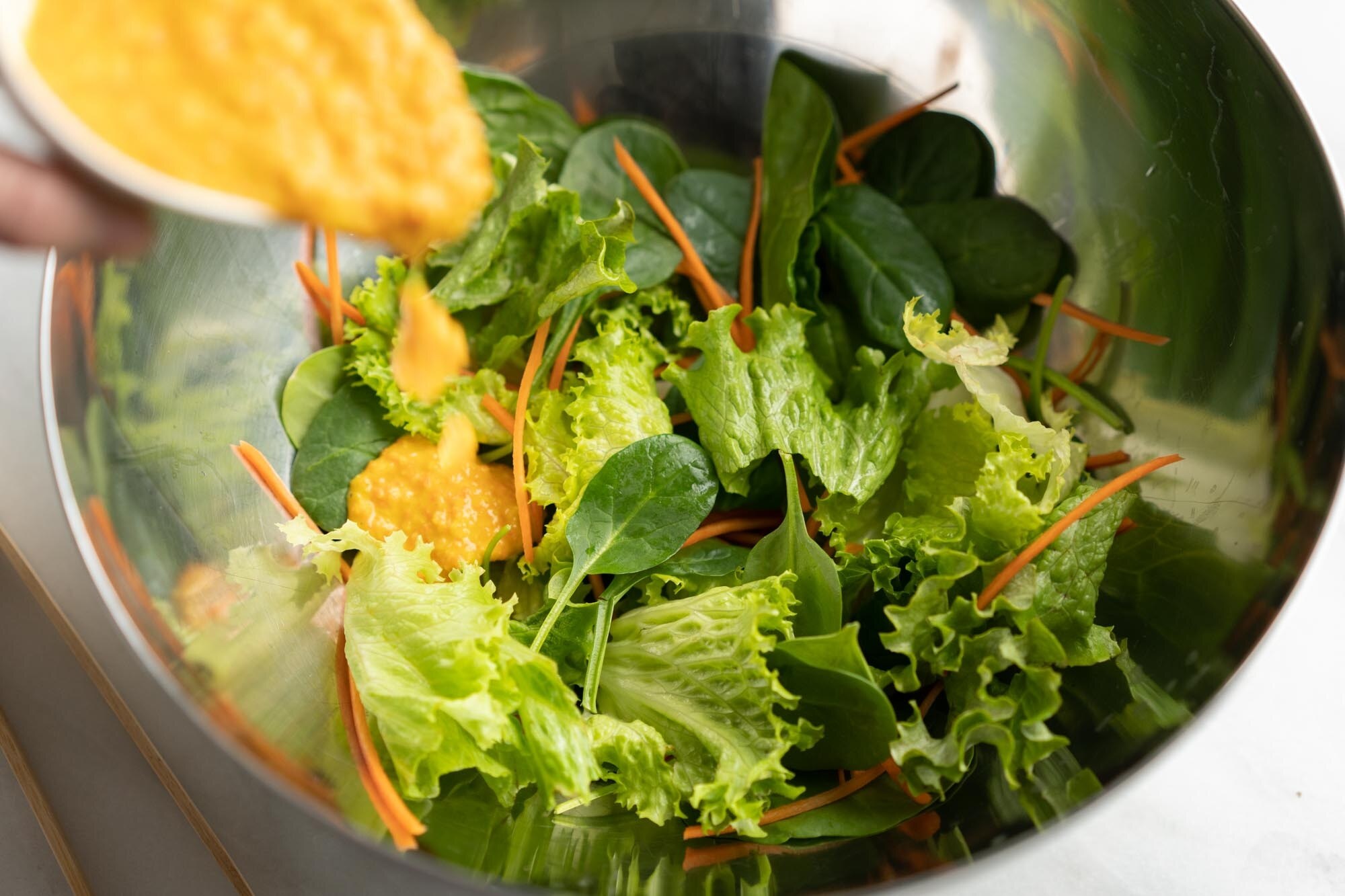
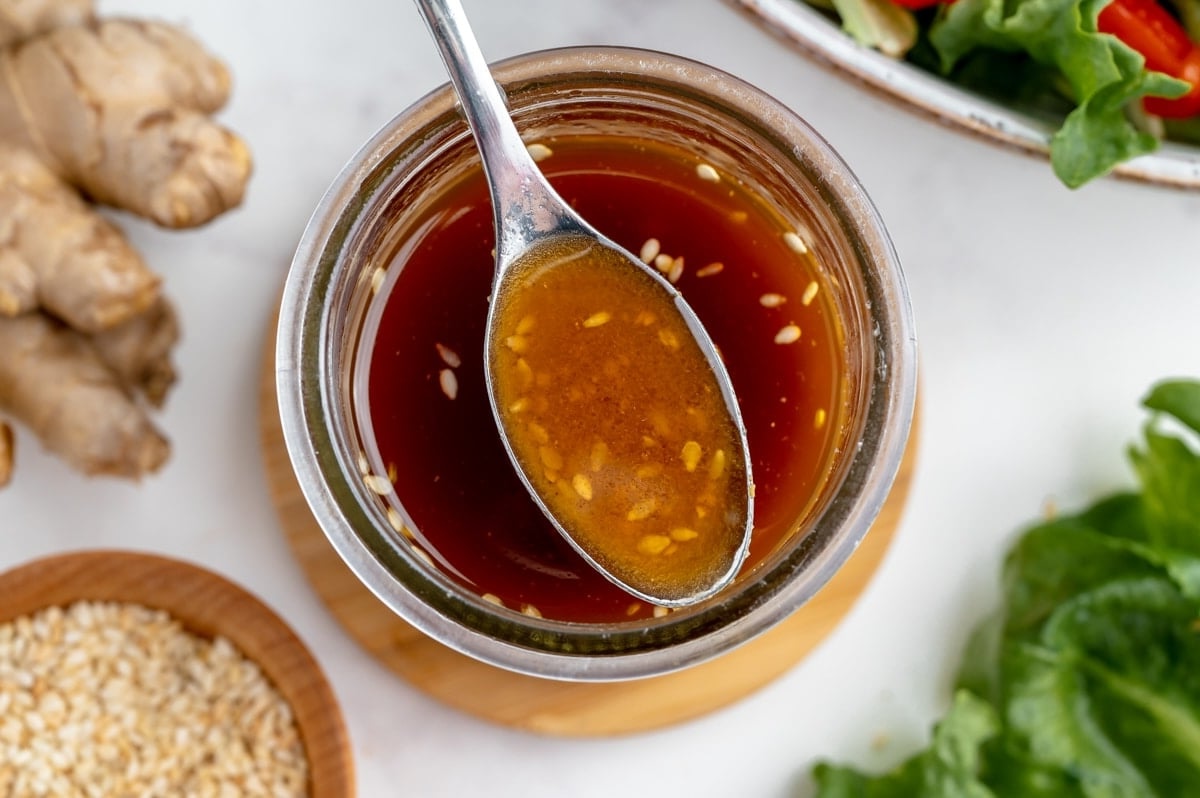
- Japanese Ginger Salad Dressing Recipe10 Minutes
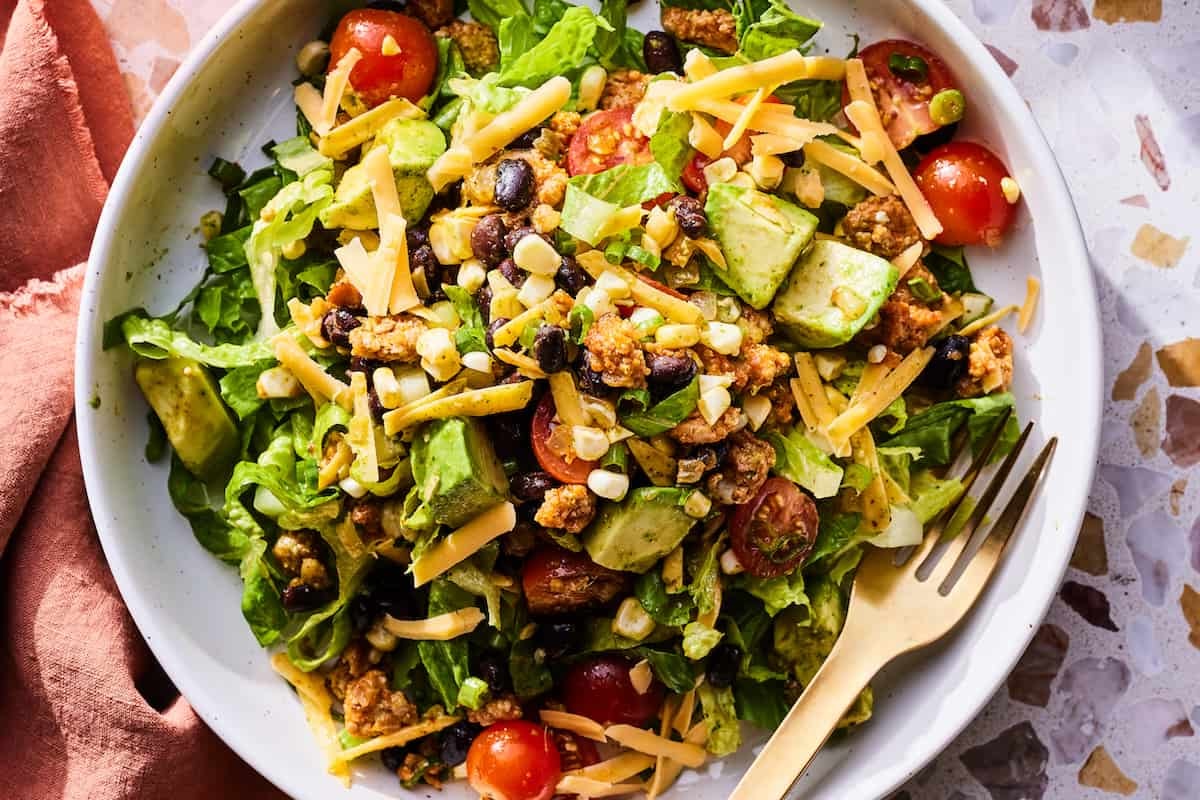
- Taco Salad Recipe25 Minutes
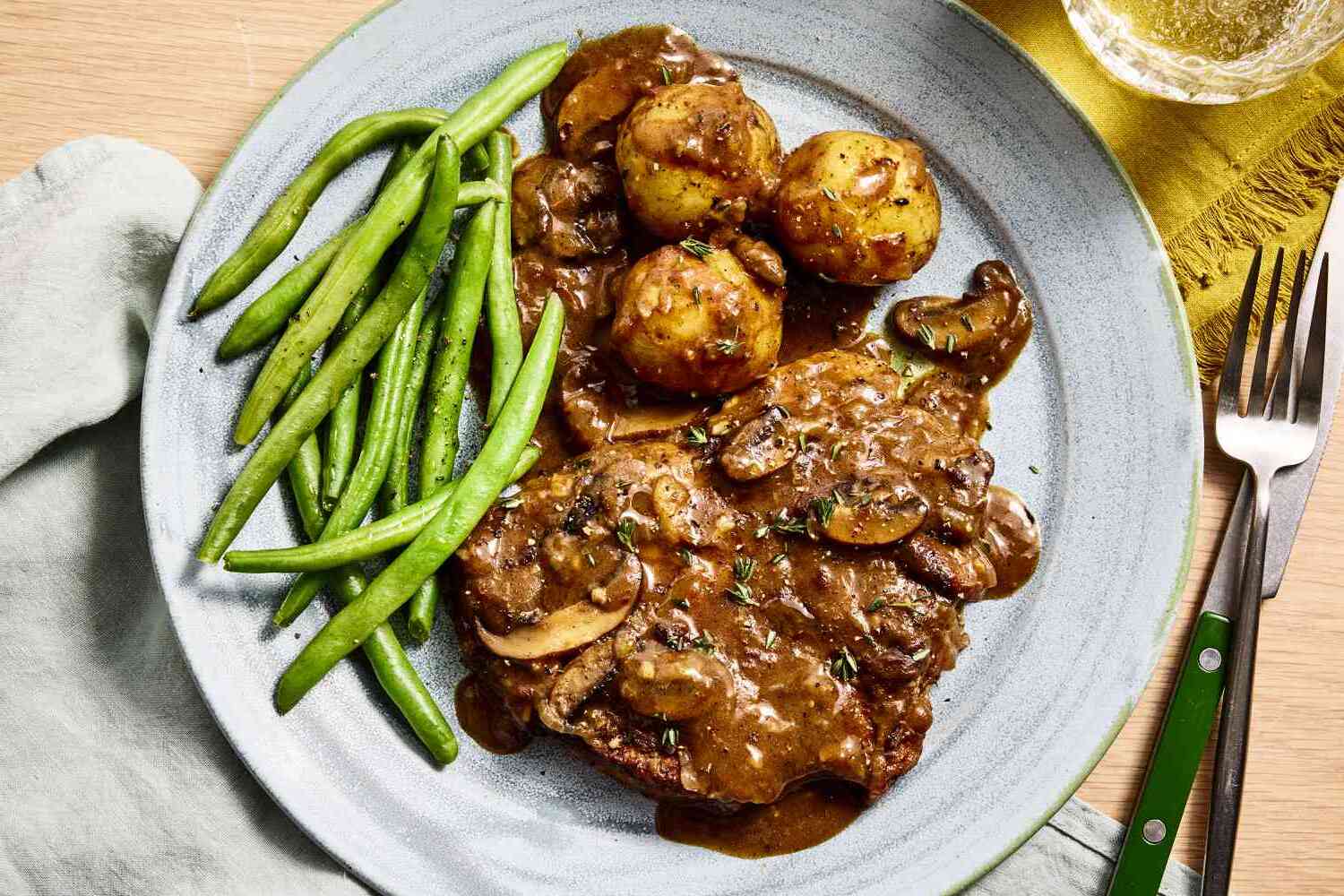
- Slow Cooker Pork Chops Recipe6 Minutes
- Pesto Grilled Cheese Sandwich Recipe20 Minutes
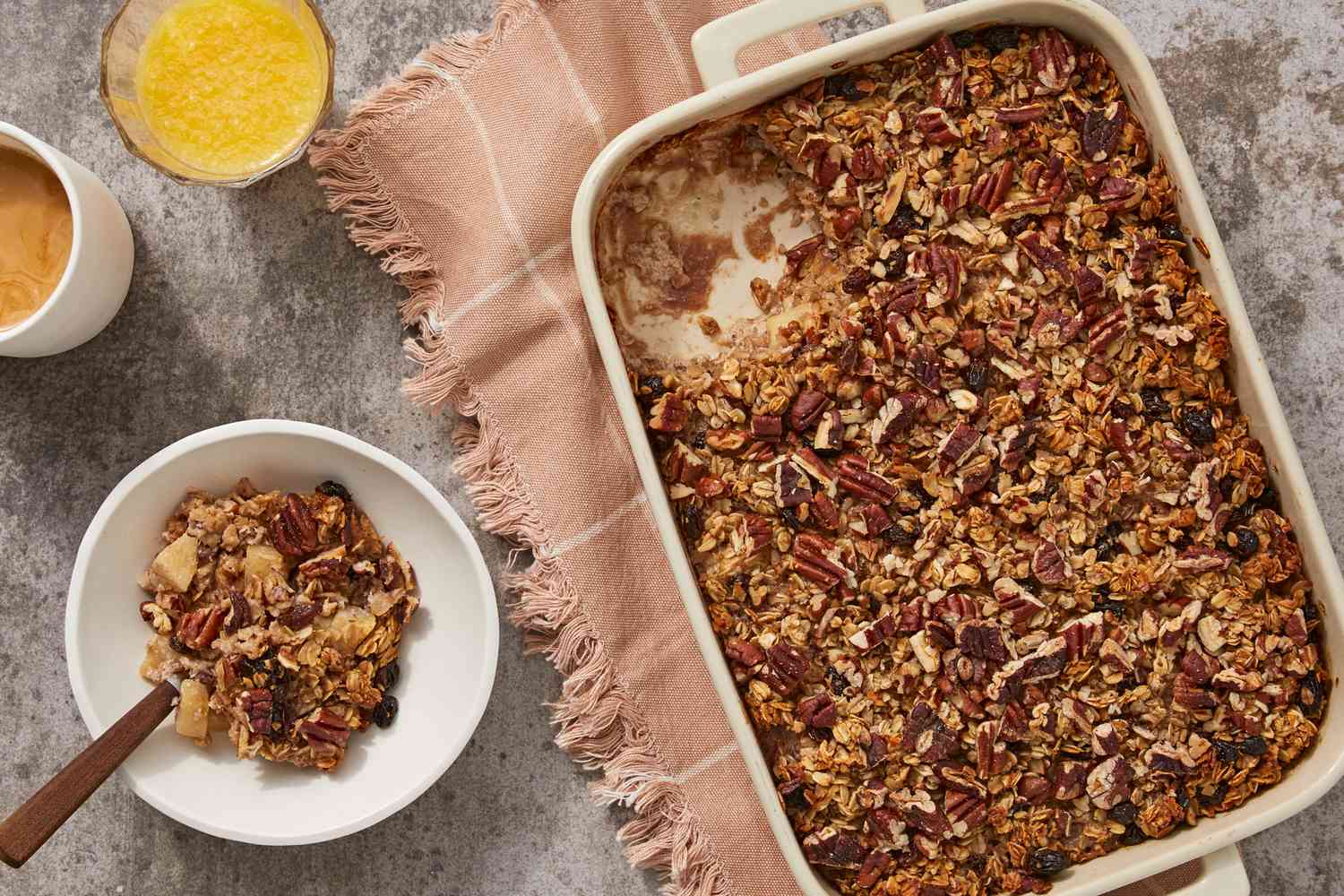
- Baked Oatmeal Recipe45 Minutes
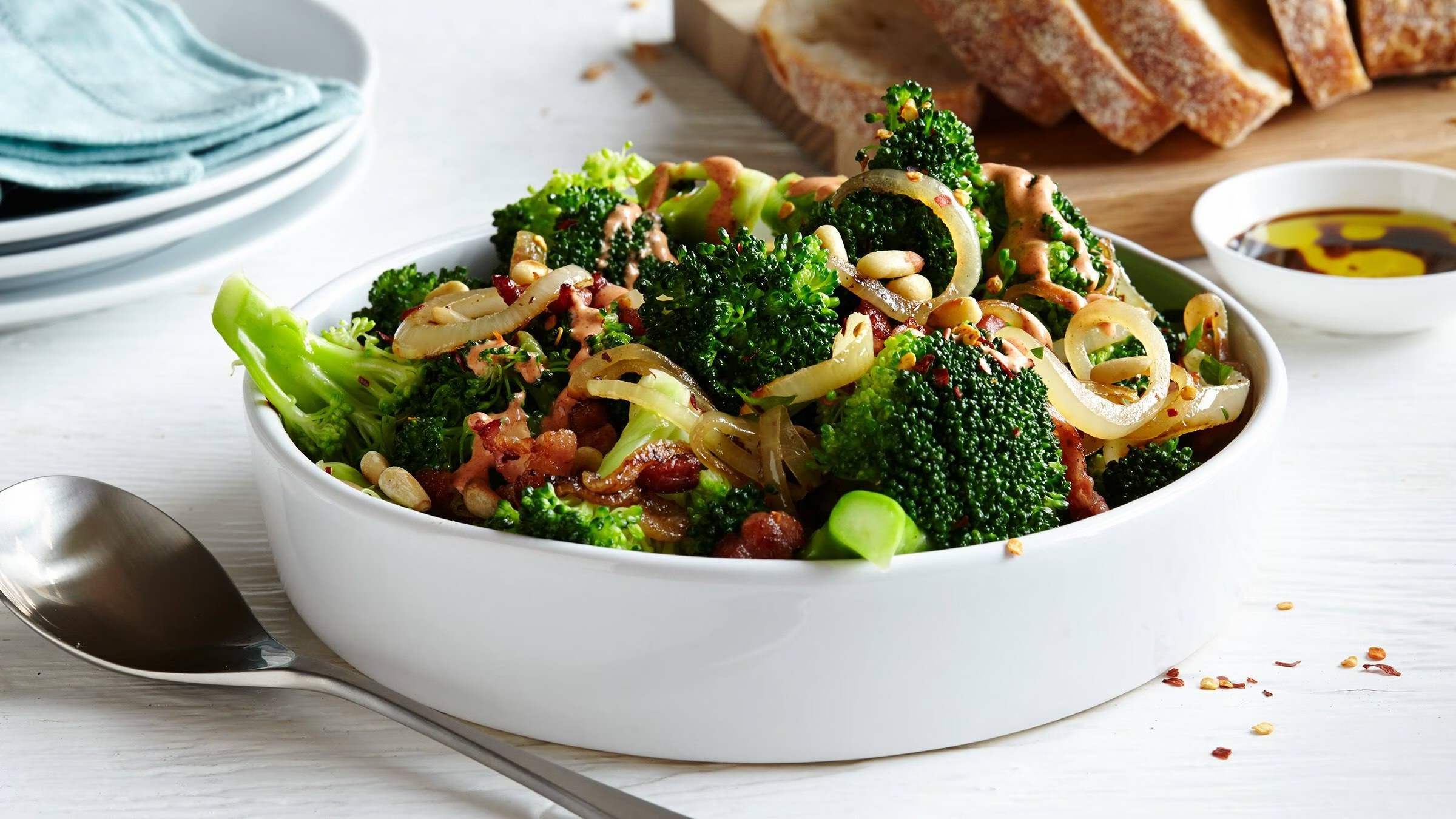
- Broccoli Bacon Salad Recipe25 Minutes
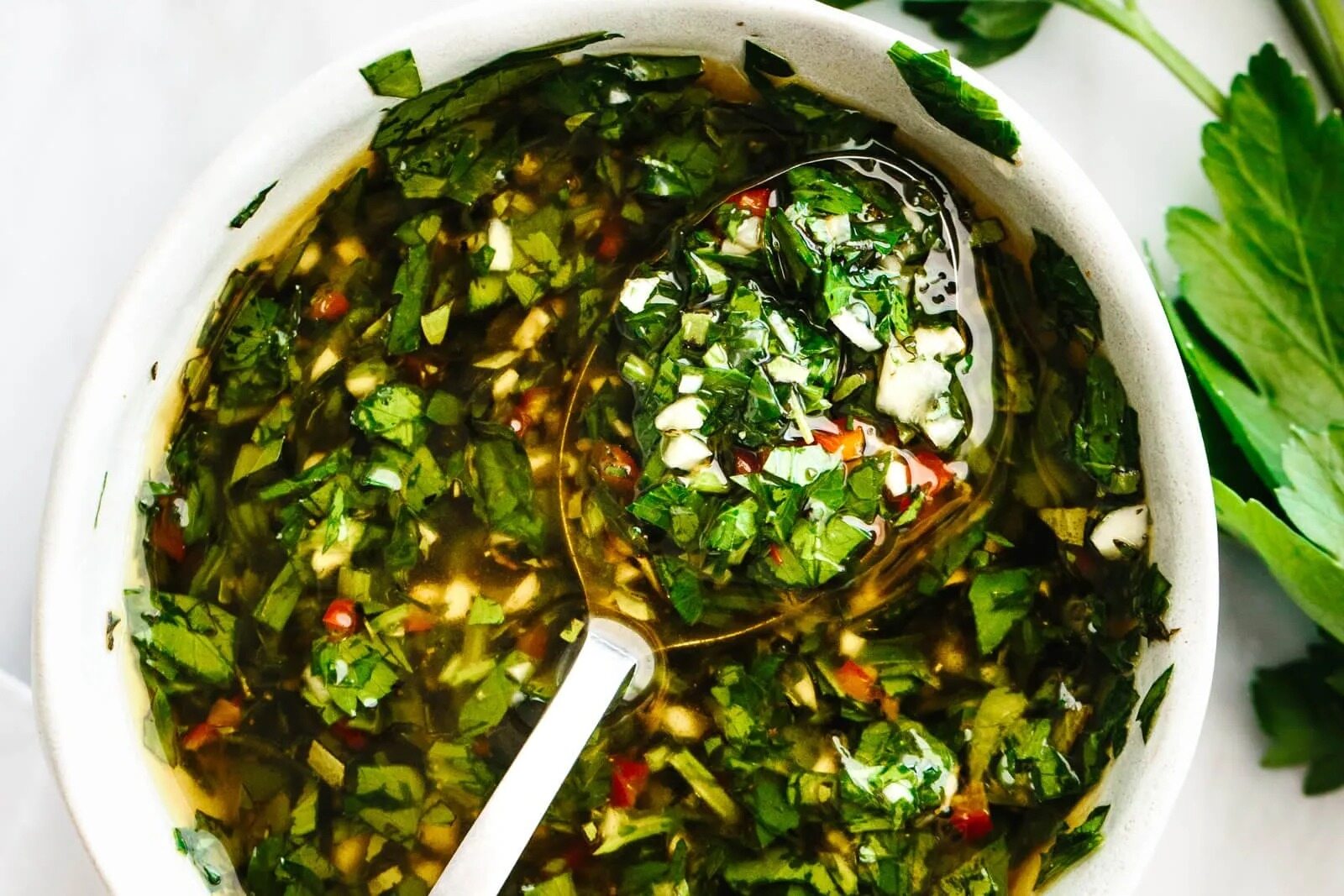
- Chimichurri Recipe10 Minutes


Leave a Reply