Onigiri, or Japanese rice balls, are a delightful and versatile snack that can be enjoyed at any time of the day. These rice balls are often filled with savory ingredients and wrapped in nori, making them a perfect portable meal. Whether you're packing a lunchbox or preparing a quick snack, onigiri is a simple and delicious option.
When preparing onigiri, you might need to visit an Asian supermarket to find some specific ingredients. Japanese short-grain rice is essential for the right texture and stickiness. Nori sheets are used to wrap the rice balls, adding flavor and making them easier to handle. Common fillings like tuna, pickled plum, or salmon can also be found in the Asian food section.
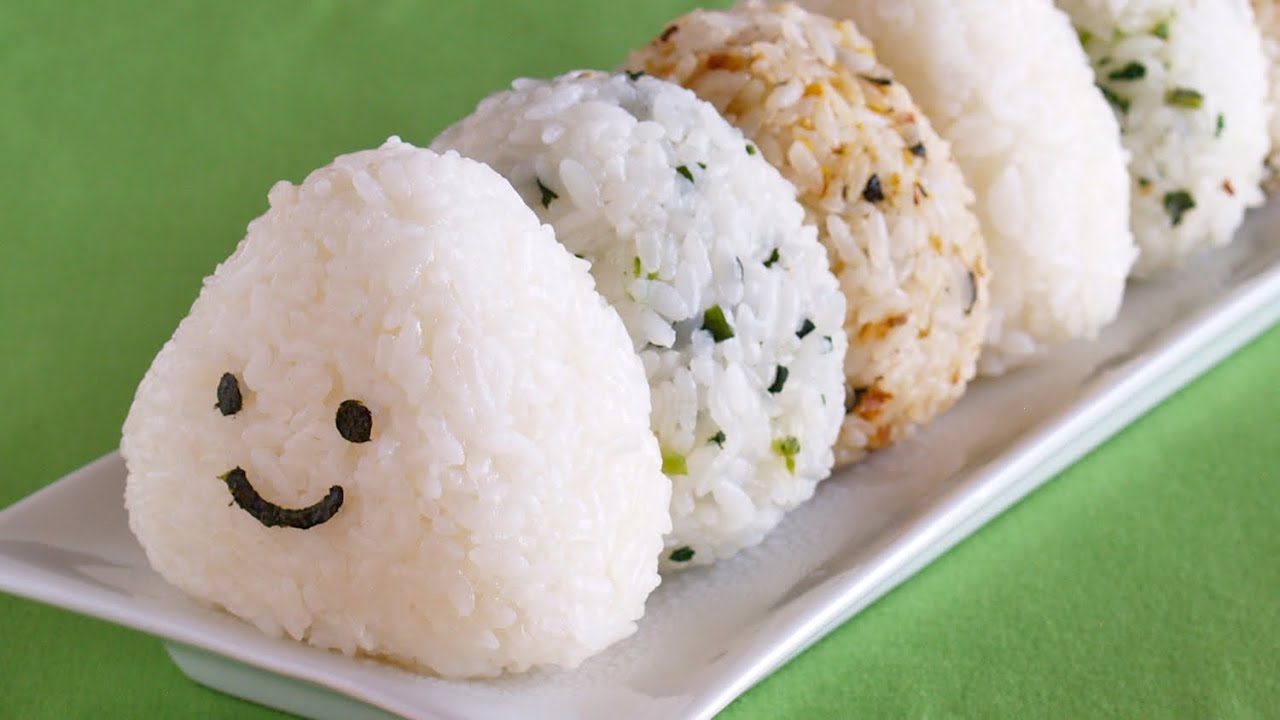
Ingredients For Onigiri Japanese Rice Balls Recipe
Japanese short-grain rice: This type of rice is sticky and holds together well, making it ideal for forming rice balls.
Water: Used to cook the rice.
Salt: Helps to season the rice and prevent it from sticking to your hands.
Nori: Seaweed sheets cut into strips, used to wrap the rice balls.
Filling of choice: Common options include tuna, pickled plum, or salmon, adding a burst of flavor to the rice balls.
Technique Tip for Perfect Onigiri
When shaping the onigiri, make sure to press firmly but gently to ensure the rice sticks together without becoming too dense. This helps maintain the texture and makes it easier to eat.
Suggested Side Dishes
Alternative Ingredients
uncooked japanese short-grain rice - Substitute with sushi rice: Sushi rice has a similar sticky texture and short-grain structure, making it a suitable alternative for onigiri.
uncooked japanese short-grain rice - Substitute with arborio rice: Arborio rice, commonly used in risotto, has a similar starchy quality that can mimic the texture of japanese short-grain rice.
water - Substitute with dashi broth: Using dashi broth instead of water can add a depth of umami flavor to the rice.
salt - Substitute with soy sauce: Soy sauce can add a salty and umami flavor, enhancing the taste of the onigiri.
nori (seaweed) - Substitute with rice paper: Rice paper can be used as a wrap if nori is unavailable, though it will have a different texture.
nori (seaweed) - Substitute with lettuce leaves: Lettuce leaves can provide a fresh and crunchy alternative to nori.
tuna - Substitute with canned chicken: Canned chicken can be used as a protein-rich filling similar to tuna.
pickled plum - Substitute with pickled radish: Pickled radish offers a similar tangy and crunchy texture as pickled plum.
salmon - Substitute with smoked trout: Smoked trout provides a similar smoky and rich flavor as salmon.
filling of choice - Substitute with avocado: Avocado can be used as a creamy and nutritious filling for onigiri.
Alternative Recipes Similar to Onigiri
How to Store or Freeze Onigiri
Allow the onigiri to cool completely before storing. This prevents condensation, which can make the rice soggy.
Wrap each rice ball individually in plastic wrap. This helps maintain their shape and keeps them fresh.
Place the wrapped onigiri in an airtight container or a resealable plastic bag. This adds an extra layer of protection against moisture and odors.
Store the container or bag in the refrigerator if you plan to consume the onigiri within a couple of days. They will stay fresh for up to 2-3 days.
For longer storage, place the wrapped onigiri in the freezer. They can be frozen for up to a month without losing much of their texture or flavor.
When ready to eat, thaw the onigiri in the refrigerator overnight if frozen. For a quicker option, you can microwave them on a low setting until they are just warm.
To refresh the texture, you can lightly toast the nori in a dry pan or over an open flame before wrapping it around the onigiri.
Avoid storing onigiri with fillings that have high moisture content, such as fresh vegetables, as they can make the rice soggy. Opt for fillings like tuna, pickled plum, or salmon for better results.
If you prefer a warm onigiri, you can reheat them in the microwave for about 30 seconds to 1 minute, depending on the size. Be sure to remove the nori before microwaving to keep it crisp.
Label the storage container or bag with the date to keep track of how long the onigiri have been stored. This helps ensure you consume them while they are still fresh.
How to Reheat Leftovers
Microwave Method:
- Place the onigiri on a microwave-safe plate.
- Cover with a damp paper towel to keep the rice moist.
- Heat on medium power for 1-2 minutes, checking halfway to ensure even heating.
- Let it sit for a minute before enjoying.
Steaming Method:
- Set up a steamer with boiling water.
- Place the onigiri in the steamer basket, ensuring they are not touching.
- Steam for about 5-7 minutes until heated through.
- Carefully remove and let cool slightly before serving.
Pan-Frying Method:
- Heat a non-stick pan over medium heat and add a small amount of vegetable oil.
- Place the onigiri in the pan and cook for 2-3 minutes on each side until crispy and heated through.
- Remove from the pan and let cool slightly before serving.
Oven Method:
- Preheat your oven to 350°F (175°C).
- Wrap each onigiri in aluminum foil to prevent drying out.
- Place them on a baking sheet and heat for 10-15 minutes.
- Carefully unwrap and let cool slightly before enjoying.
Air Fryer Method:
- Preheat the air fryer to 350°F (175°C).
- Lightly brush the onigiri with vegetable oil.
- Place them in the air fryer basket, ensuring they are not touching.
- Heat for 5-7 minutes, checking halfway to ensure even heating.
- Let cool slightly before serving.
Best Tools for Making Onigiri
Rice cooker: Used to cook the Japanese short-grain rice to the perfect texture.
Measuring cups: Essential for measuring the correct amount of rice and water.
Colander: Used to rinse the rice under cold water until the water runs clear.
Mixing bowl: Handy for holding the rinsed rice before cooking.
Wooden spoon: Useful for fluffing the rice once it is cooked.
Cutting board: Provides a clean surface to cut the nori sheets into strips.
Sharp knife: Necessary for cutting the nori sheets into strips.
Small bowl: Used to hold water for wetting your hands to prevent the rice from sticking.
Salt shaker: Convenient for sprinkling salt on your wet hands.
Serving plate: Ideal for placing the finished onigiri before serving.
How to Save Time on Making Onigiri
Prepare the filling: Have your tuna, pickled plum, or salmon filling ready before you start molding the rice balls.
Use a rice cooker: Cooking Japanese short-grain rice in a rice cooker ensures perfect texture and frees up your time for other tasks.
Cool the rice quickly: Spread the cooked rice on a baking sheet to cool it faster.
Wet hands: Keep a bowl of water nearby to wet your hands frequently, preventing rice from sticking.
Pre-cut nori: Cut the nori into strips in advance to save time during assembly.
Onigiri Japanese Rice Balls Recipe
Ingredients
Main Ingredients
- 2 cups Japanese short-grain rice uncooked
- 2.5 cups Water
- 1 teaspoon Salt
- 4 sheets Nori (seaweed) cut into strips
- 1 cup Filling of choice e.g., tuna, pickled plum, salmon
Instructions
- Rinse the rice under cold water until the water runs clear.
- Cook the rice in a rice cooker with the water.
- Once cooked, let the rice cool slightly.
- Wet your hands with water and sprinkle with salt to prevent sticking.
- Take a handful of rice, flatten it slightly, and place a small amount of filling in the center.
- Mold the rice around the filling to form a ball or triangle shape.
- Wrap a strip of nori around each rice ball.
Nutritional Value
Keywords
More Amazing Recipes to Try 🙂
- Balsamic Bruschetta Recipe15 Minutes
- Prickly Pear Cactus Margarita Recipe10 Minutes
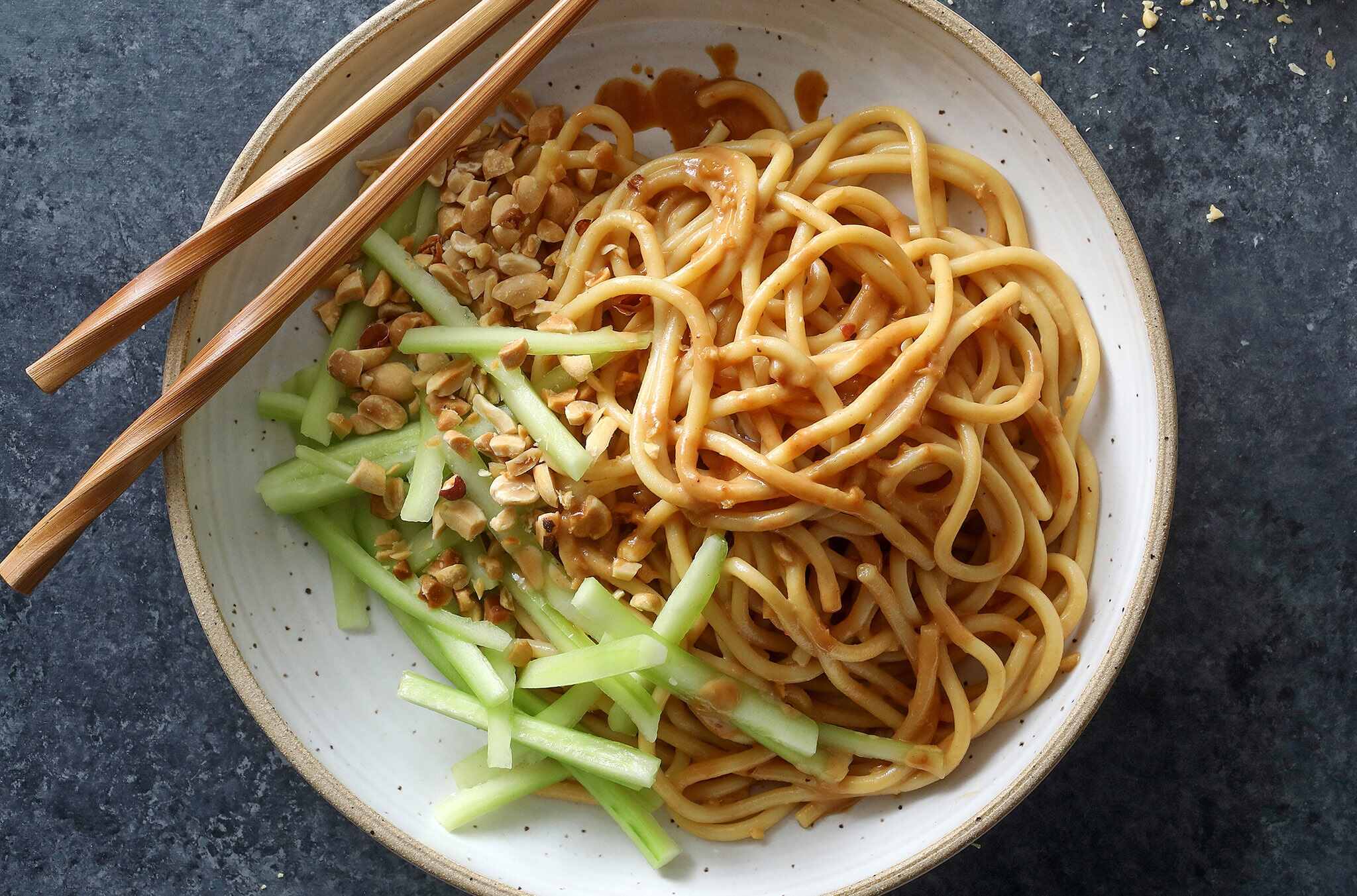
- Sesame Noodles Recipe25 Minutes
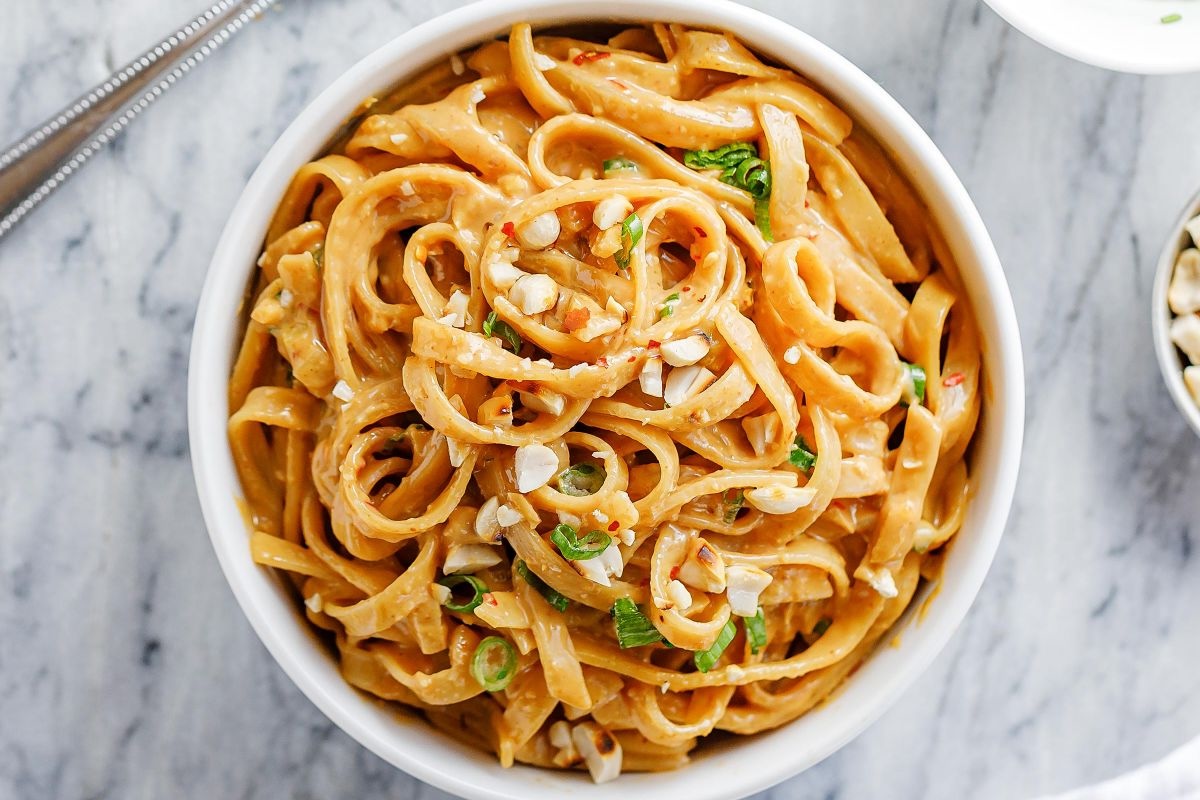
- Peanut Butter Noodles Recipe25 Minutes
- Chop Suey Recipe35 Minutes
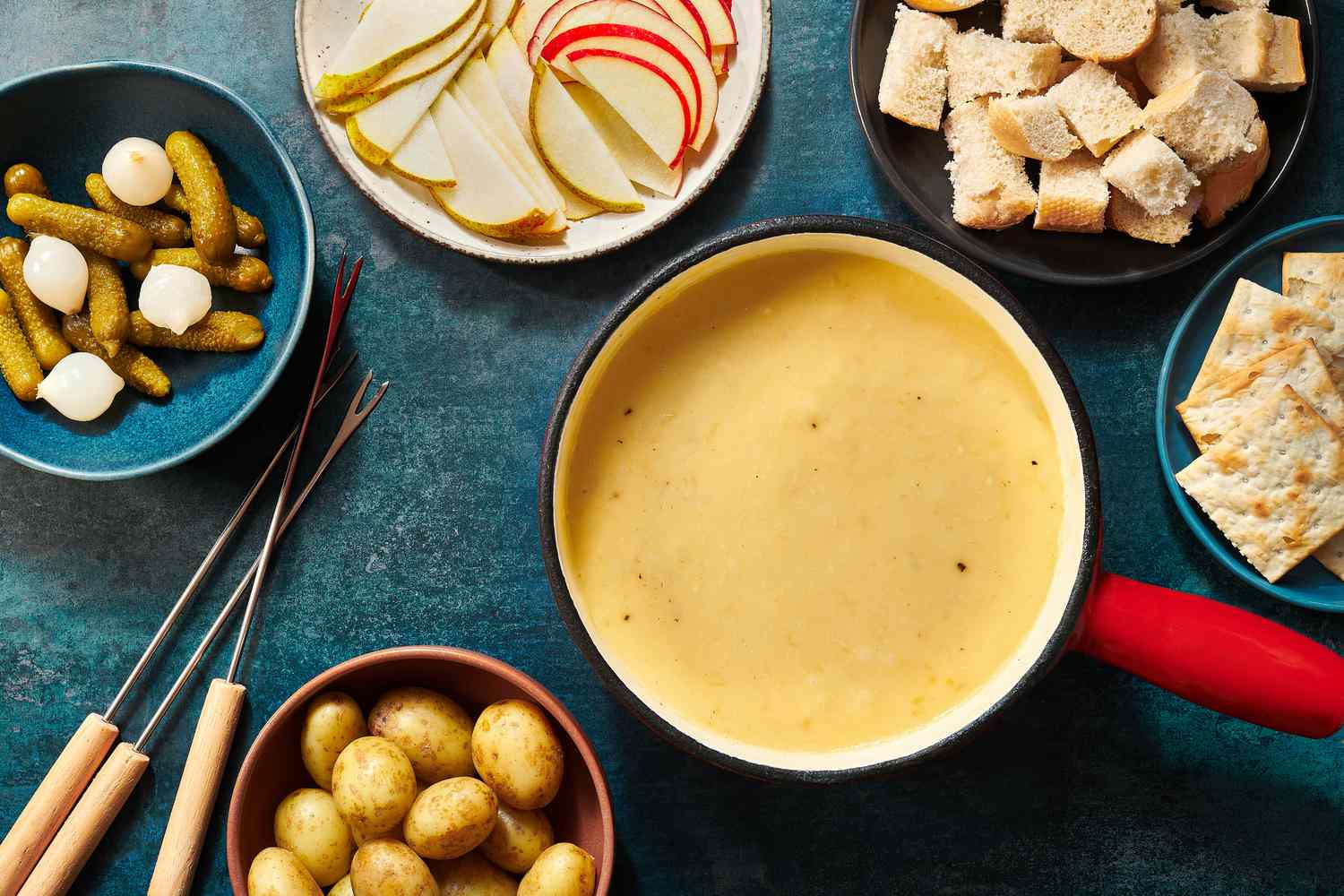
- Cheese Fondue Recipe25 Minutes
- Chicken Pot Pie with Biscuit Crust Recipe1 Hours
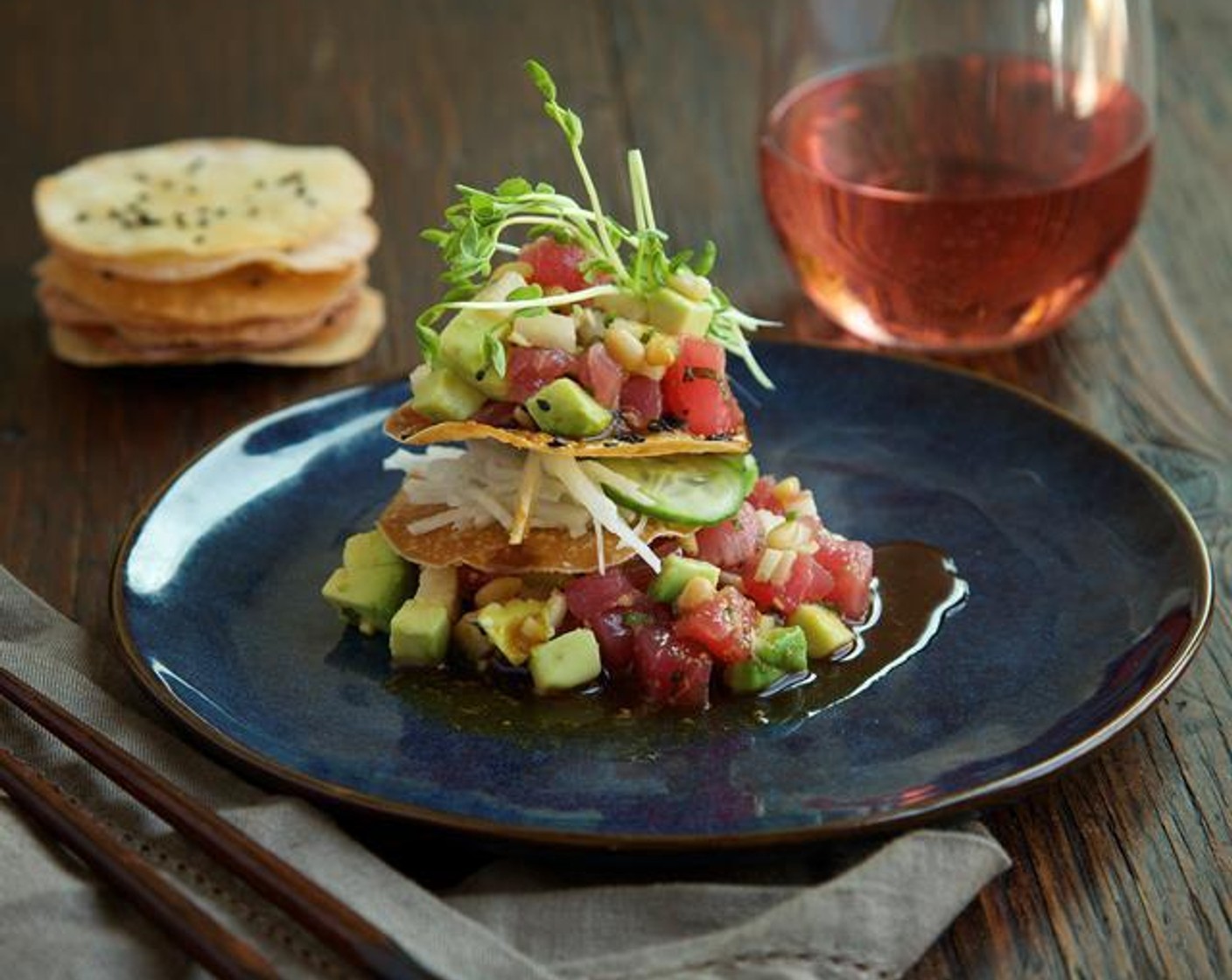
- Ahi Poke Recipe15 Minutes






Leave a Reply